

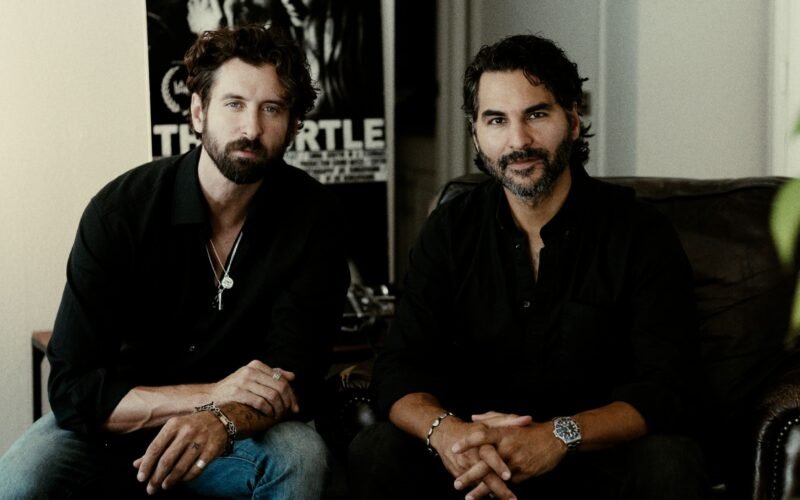
Produced by and starring Richard-John Seikaly alongside Emma Griffin, The Turtle favors silence, subtle gestures, and naturalistic performances over dramatic exposition. Following its selection at the 2026 LA Shorts International Film Festival, IndieWrap spoke with Bongiovanni and Seikaly about trusting instinct, finding truth in performance, their evolving creative partnership, and the projects coming next.
The Turtle explores emotional repression through the lens of an intimate marriage rather than grand dramatic events. Why did you feel that a quiet, domestic story was the right vehicle for examining themes like masculinity, vulnerability, and isolation?
JB: I think because real life tends to unveil itself in small moments. And I figured definitely “less is more”…and capturing real human behavior with my actors would be enough to get the message across.
Joe, your military experience clearly informs the emotional landscape of the film, while Richard, your performance gives those internal struggles a physical presence. How did the two of you work together to ensure Tony’s pain felt authentic without ever becoming melodramatic?
JB: There’s a stoicism I carried in the military that I think attracted me to work with the actors I work with now. When I dive into truth, not only in production, but in post production, I try to look for images that showcase the behaviors people go through when they hide their feelings.
RJS: I had a grounded approach to the circumstances Joe created for us. I focused on what I am doing in the work and if anything got in the way, I would be present with it no matter whatever it was that came up- I organically discovered the path we paved for ourselves as collaborative spirits. Joe’s editing is beautifully executed. My connection to Emma in the scene was everything, I was there listening to her and following Joe’s directions.
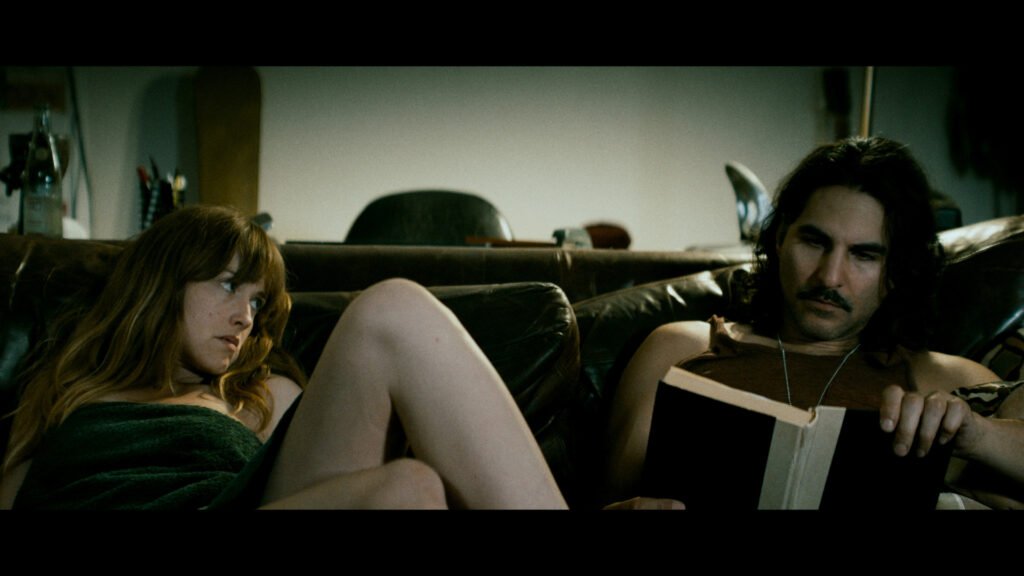
One of the film’s strengths is how much remains unspoken between Barbara and Tony. How did you approach building tension through silence, body language, and small gestures instead of relying on dialogue to explain the characters’ emotions?
JB: When you put a camera on people and just watch them behave, and when they’re sitting there and just “thinking” with their hearts beating out of their chest without any dialogue at all— it can be powerful and provoking and a lot of the time the audience ends up being the final author of the scene or film.
RJS: Joe’s script gave me a life of clues and questions to investigate and then were revealed whether spoken or not. I marinated with the material and got in touch with my needs in the moment. I followed my impulses and sat with my thoughts when I didn’t feel like saying anything.
The title, The Turtle, is a powerful metaphor for emotional protection. At what point did that image become the defining symbol of the story, and how did it shape your creative decisions throughout production?
JB: It didn’t. I didn’t go into it consciously thinking of contriving any type of “theme” or “tone” related to the metaphor of the turtle. I just tried to nail the truth with my actors. The title of “The Turtle” I just somehow derived from the play Tony is working on the beginning of the film. He describes “All mush inside here…I’m scared….” I actually had no idea what I was writing when I wrote that…and then afterwards I started putting everything together and I figured The Turtle was a fitting title…and then of course I started to notice all the themes and traits of being inside a shell and how RJ was behaving and the the way it was lit and shot..and I started to sort of lean on The Turtle “theme” in a way. I began making edits and color grades to fit the “theme”. I think it may be a similar process for all the films I work on. I love to trust my unconscious.
RJS: I just love the title so much. I tapped into my own shell- I sat with being misunderstood, not heard and the fear of being weak. I found an outlet to break out of my shell through studying the craft of acting. Hard and tough exterior with a soft loving heart on the inside – A lot of turtles out there…
Although the film tackles heavy themes, there are subtle moments of humor and warmth that make the relationship feel believable. How important was it to balance emotional weight with the everyday rhythms of a real couple?
JB: It was all organic— I try not to micromanage the actors and their behavior. It really helps working with people I already know because there’s trust.
RJS: Very important to find that truthful balance otherwise it’s not real. We never discussed any emotional or rhythm like results in the process. We found it organically and that’s the fun of the ride you get on. You don’t know what’s going to happen or how something is said. You prepare and be ready to open your creative juices to let it flow with your fellow actors and director. It’s also the joy of having good writing.
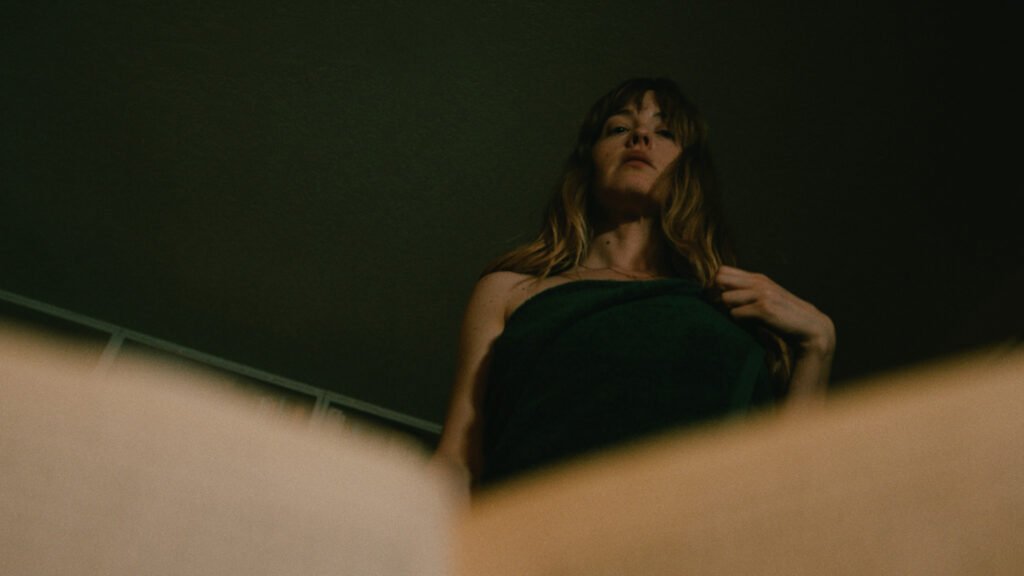
Joe, you wear nearly every creative hat on this project—from writing and directing to cinematography and editing. How do you know when each role is serving the story, and how do you prevent one perspective from overpowering the others during the creative process?
JB: I think because I love every aspect of filmmaking they all kinda work together for me. I don’t think I’ve ever run into an issue where one hat has overpowered the other. They all either compliment or influence each other in some way. For instance, when I’m writing the script, I know I’m writing it for myself to shoot, direct, and produce. So I can write around budget constraints etc…which fuels me. I think the tighter the restriction, the more creativity blooms for me. As I’m writing the movie, I also have in mind the color profile, the sound, the music, a lot of it is already in prep. I love to write my own songs so I occasionally pick up my guitar next to my keyboard and I’ll write music as well next to my screenplay.
Richard, as both producer and lead actor, you were constantly switching between logistical responsibilities and emotional performance. How did those two roles influence each other during production, and did producing give you a different understanding of Tony as a character?
RJS: It wasn’t a challenge at all. We shot in one location, my apartment, plus Joe wore many hats so we did not have a big crew. 2 actors, Joe, and his friend Cole who Boom op’d. My producing work came after Joe finished cutting the film. I loved what he did with it. I began submitting it to film festivals. I believed we had something worth sharing with audiences.
Your filmmaking partnership seems to be built on trust and a shared pursuit of honesty rather than spectacle. What have you learned about each other’s creative instincts over the years, and how has that collaboration evolved from your early test shoots to The Turtle?
RJS: Let the creative instincts flow by nurturing them. Taste the different sauces. I have also learned how deeply grateful I am to have Joe as an artistic brother. We got to know each other over the years at different stages and each stage had it’s unique value. As friendships grow, you share your life experiences from the mundane to the big life events. This is key to create an incubator for honest work without any unhealthy ego or judgment. I have watched Joe strengthen his technical filmmaking skills matched with his work as an actor is a recipe for great storytelling. We have some good laughs together too and have maintain levity while discussing life events. Whether it’s an early test shoot or helping each other with self-tapes. I always kept an open creative flow because there is always something to learn and grow from. The Turtle officially brought all these elements together for us.
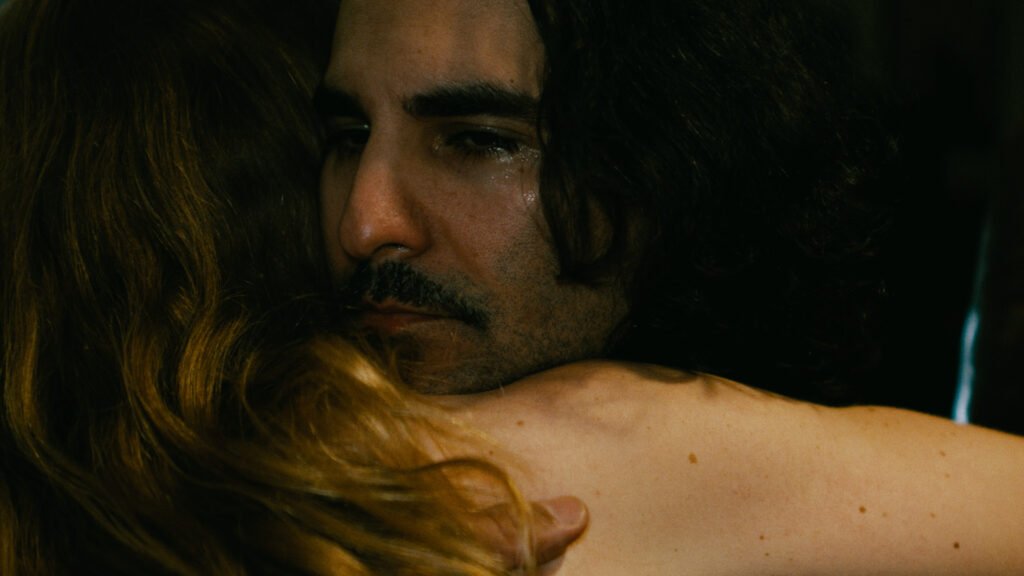
Many films explore masculinity through conflict or violence, but The Turtle approaches it through emotional absence and quiet suffering. What conversations do you hope the film sparks among audiences—particularly men who may recognize parts of themselves in Tony?
JB: I don’t know if any external conversations would realistically happen, maybe! I can’t make assumptions haha…But I think some private introspections would be very possible.
RJS: I hope people create safe spaces for each other to communicate whats really goin’ in there respective relationships/friendships in order to free themselves from the feeling of being trapped. Hope they explore ways of letting go of any pressure put on by external influences. Find the courage to be vulnerable and not implode. Hope they face their shadow and not let it dictate your life. Harness it.
With The Turtle premiering at the 2026 LA Shorts International Film Festival and Chasing Persephone already in post-production, this feels like the beginning of an exciting creative chapter for Stoonads Productions. What kinds of stories do you hope define your work together in the years ahead?
JB: We have another project we’re moving on now called “FLY” about a professional hitman who seeks repentance after meeting a self-proclaimed disciple of God. It’s a grueling, very gritty thriller with a lot of close quarters fighting sequences and themes of religion and finding peace through trauma. It’s a combination of Pusher meets A History of Violence by Cronenberg. It kind of outlines my whole deinstitutionalization process from the military; going from killing to becoming human. I’m very excited and moved by this script…the ending and the twists and turns really threw me for a loop when I was crafting the screenplay.
RJS: It certainly does! Stoonads Productions and Bongiovanni Films are very artistically fulfilling. I very much look forward to CHASING PERSEPHONE’S release and the upcoming projects. Joe has a couple more screenplays he’s finishing up so that’s exciting. I hope our work together is defined by stories that mirror many facets of life– Ones that move you and create that human connection which is essential to storytelling.