


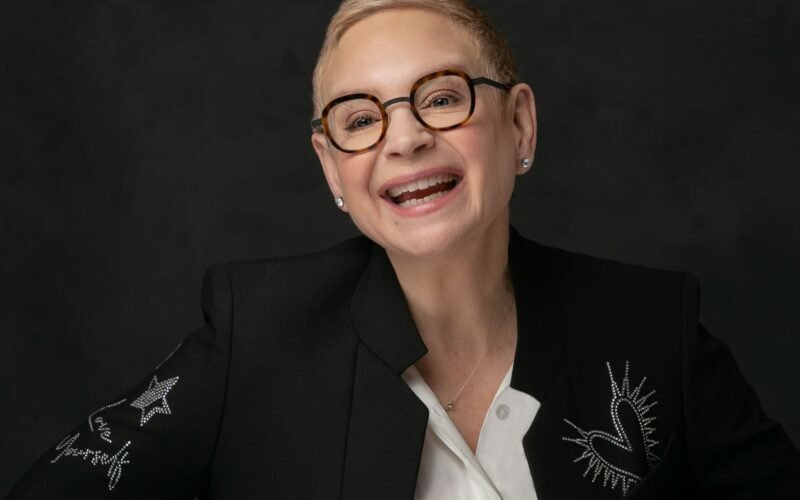
Speaking with IndieWrap, Reynolds discusses finding emotion in small gestures, shaping the film’s visual language, and creating space for empathy around a grief that often goes unspoken.
In your director’s statement, you write, “Our daughter was wanted. She was loved.” How did that love shape the story you wanted to tell in No Right Way, and what felt most important to convey about Nadine and Johnny beyond the decision they face?
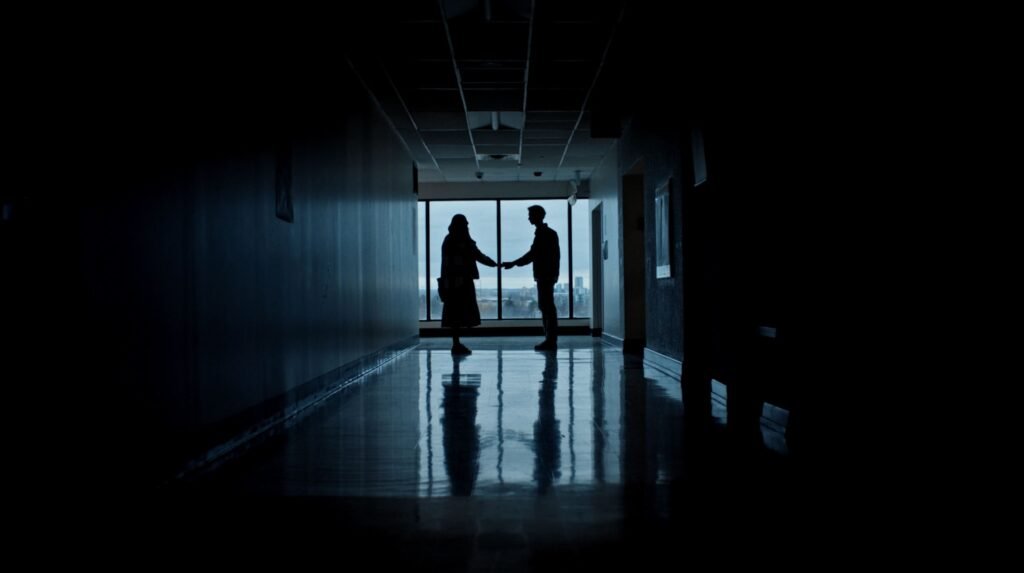
Love certainly did shape the story. It was important to me to portray love in different ways. Nadine and Johnny have deep love for each other, and they have deep love for their unborn baby. Many couples when in this kind of situation end up breaking up and I want the audience to root for Nadine and Johnny and witness their mutual respect, support and teamwork as they navigate this trying time. It was important to me to reflect in the film that this couple will weather this storm. Johnny reaching out for Nadine’s hand in the silhouette shot was one of the important moments in the film to convey this.
The film explores identity alongside loss. What interested you about the way an anticipated future as a parent can change someone’s sense of self, even before their child is born?
What interested me is the loss of a future sense of self as a parent and a couple. Nadine and Johnny lose more than their baby; they lose the dreams they have had individually and as a couple of what their life will be like with this baby. They lose the fantasy of who this little person will be, what will they look like, what will their future be like. Nadine, as the pregnant woman, also will struggle with experiencing and healing from the physical effects of having given birth and the body’s preparation for a baby but there will be no baby. This will be difficult for her and a huge loss.
Nadine and Johnny share this experience, but that doesn’t necessarily mean they process it in the same way. How did you approach writing two individual emotional journeys within the couple’s relationship?
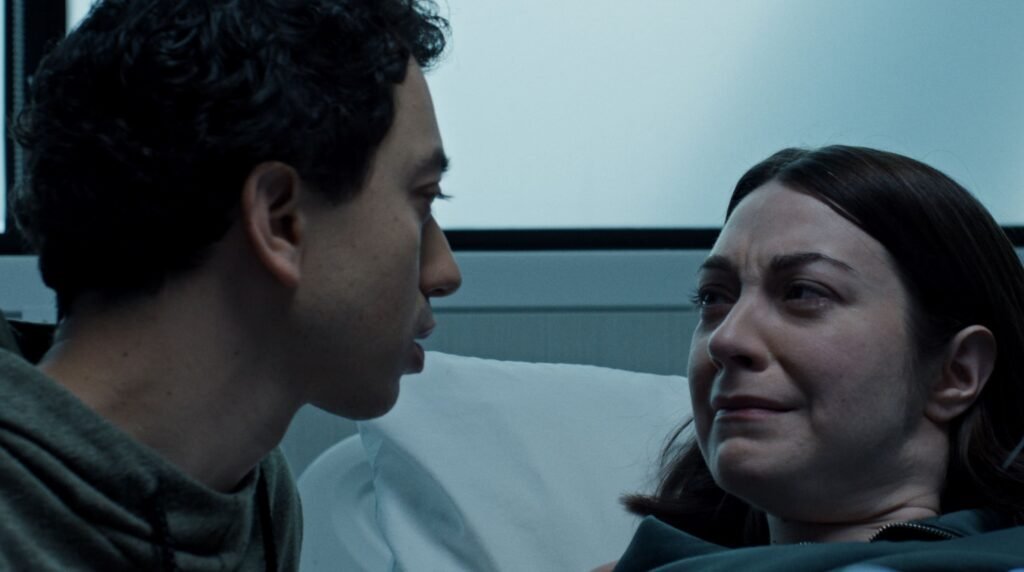
This was not easy with only 15 minutes. Nadine’s journey was a little more straightforward, but Johnny’s took some time. I thought it important to try and get into his head and find out as a young man how he would process this news and unexpected journey. I knew he was supportive of Nadine, but I also decided that he didn’t always know how to express this love and loss. I decided to use the vending machine; his questioning looks to the doctors during the procedure scene and at the end his slight hesitancy when he approaches Nadine on the cliff as him processing all of it. I give credit to the actor David Klein who did wonderful character work to bring those sensitive moments to life.
With only fifteen minutes to tell this story, how did you decide which moments needed space to unfold and which could remain outside the frame? Was there a small, everyday detail that became particularly important to you?
A lot of it was instinct. I tend to not always watch performances on a monitor and choose to stand by the camera. As I watch and listen, I decide based on how I am feeling when to allow a scene to breathe and when to cut it shorter. There wasn’t an everyday detail perse; what was important was that we felt Nadine and Johnny were a team.
You’ve spoken about choosing actors with strong theatre backgrounds for a three-day shoot. Once you began working with Mikaela Lily Davies and David Klein, what did they bring to Nadine and Johnny that surprised you or changed your understanding of a scene?
We had two short rehearsals before filming began which were important, not performance wise, but for David and Mikaela to get to know each other and for us all to discuss who these people were. I credit both actors for doing such deep work individually as well as together to make this couple come fully to life. It was their fearlessness and willingness to reach deep into their individual emotional wells as well as their passion for this story that impressed me the most.
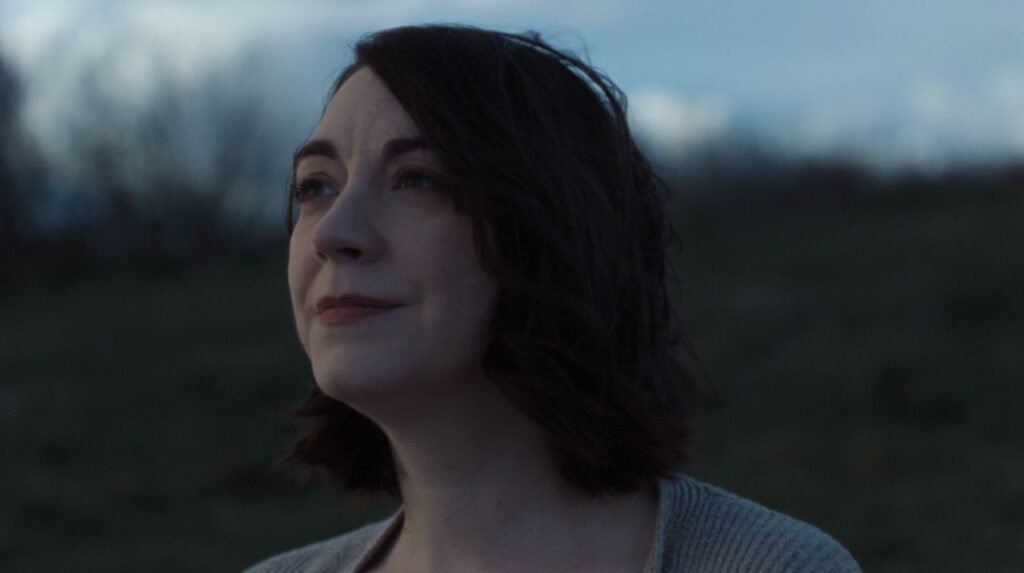
How did you and cinematographer Liam Higgins develop the film’s visual language? What guided your decisions about when the camera should move close to the characters and when it should give them distance?
Water plays an important role in the film and based on that Liam, and I came up with the blue tone of the film which I believe works well. We decided not to move the camera a lot as we didn’t want movement to distract from connecting with the characters. As a result, when we did move the camera, we felt like that would be much more impactful on an emotional level as in the bathtub scene.
Your collaboration with Jessica Hiemstra extends from picture books to this film’s animation. How did that existing creative relationship evolve when you began working with movement and duration, and what could animation express that live action couldn’t?
Jessica had done little animation before this; however, I knew that if I wanted to tell part of my story as animation it had to be her doing it. She has such a rich emotional life, and she understands me and my work so well. The animation did take some time. We went back and forth numerous times with drawings, color ideas and textures. My intention was to bring the audience into the film gently as well as have the animation tell the film’s story from the point of view of inside the womb.
Your background as a voice actor gives you a particular relationship with sound. How did you think about the interplay of voices, silence, sound design, and Kevin J. Black’s score in conveying the couple’s inner experience?
The main objective of the sound design and music was to complement the inner life of the characters. I didn’t want the sound or music to be intrusive; its job was only to add to the emotional life of the film. Kevin J Black did such a wonderful job understanding when and how much music was needed.
You’ve described the editing room as the place where you became especially aware of audiences encountering this experience for the first time. How did that awareness shape your work with editor Alison MacMillan, and were there moments whose meaning changed in the edit?
What worked well for me was to allow Alison time on her own with the footage; finding the story on her own first. I became aware of an audience’s perspectives after working with Alison for some time and in one particular scene it hit me over the head, it was one pivotal moment in a hospital scene. What also shaped my work with Alison was after we had a test screening with a questionnaire. It informed how we put together certain scenes and what information we shared with the audience and when. Test screenings are invaluable.
As No Right Way begins its festival submission journey, what would a meaningful conversation after a screening look like to you? Is there a question you hope viewers will ask themselves—or someone close to them—after watching?
Firstly, I would love an audience, whether they agree or disagree with Nadine and Johnny, to be able to empathize with them and try to understand their point of view. It would be interesting if an audience asked themselves what they would do in this situation and possibly debate what quality of life means to them. Quality of life for their child as well as for the couple themselves.