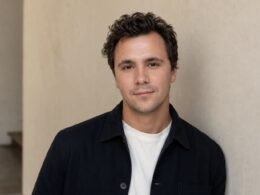


Drawing inspiration from Jackie Chan classics, Frank Oz’s Bowfinger, and his own experiences navigating the industry, Hayden has crafted an entertaining love letter to independent filmmaking. Following successful screenings at major genre festivals including Fantasia, Dances With Films, Panic Fest, and Fantaspoa, Violet Vendetta is now reaching an even wider audience through its Omeleto premiere. We spoke with Ted Hayden about the film’s origins, stunt-driven action, unforgettable collaborators, and the possibility of future adventures for Luke and Hunter.
Violet Vendetta is packed with kinetic energy, humor, and heart. At what moment did you realize this project could become more than just a fun action short and actually evolve into something audiences would deeply connect with?
The first moment that sparked real excitement was shooting our opening movie-within-a-movie sequence. Hector in the Travolta wig, Brandon wildly swinging nunchucks in the air, honestly that was the moment. The joy we all shared shooting that scene really propelled us forward during the rest of the production.
Your film feels like a love letter to the golden era of 80s and 90s action-comedies. What were some of the specific films, directors, or moments from that era that directly influenced the tone and style of Violet Vendetta?
Frank Oz’s Bowfinger was probably our biggest influence. It’s the pinnacle film about ambitious filmmakers going to ridiculous lengths to get a film made. In terms of action, I was drawn to several of the early Jackie Chan films I loved as a kid, particularly the early films shot in Hong Kong. When we looked at examples, Brandon referenced the playground fight sequence from Police Story 2. The juxtaposition of life-or-death action on a child’s playground is truly hilarious. I love fight scenes where characters battle with either unexpected objects in the environment or within unexpected settings.
One of the most impressive aspects of the film is the balance between comedy and action. How difficult was it to maintain that rhythm without leaning too heavily into either side?
Luckily the premise of our film is so ridiculous that comedy was always present. But the moment our characters get pulled into real high stakes, we decided to play their reactions completely straight. We also needed the movie-within-a-movie tone to feel distinct from the rest of the film. We wanted to start off with a scene that was laughably over the top, so the viewer felt a real shift when we entered the world of our main characters. We needed to give the film stakes and even in comedy, you still need that feeling of “will things work out for the characters”.
Brandon H. Lee and Hector Melgoza have incredible chemistry onscreen. Since they are close friends in real life, how much of their natural dynamic influenced the writing and improvisation during production?
Both Brandon and Hector instantly fell into their roles. I had seen their comedy YouTube skits beforehand and was immediately sold. They had an innate chemistry, constantly playing off each other in ways that elevated the characters beyond what was on the page. Some of the funniest moments in our film came from their delivery that we hadn’t pictured when writing it.
The fight choreography feels both cinematic and playful, especially the golf course sequence. Can you talk about the process of designing those action scenes and collaborating with stunt performers for the film?
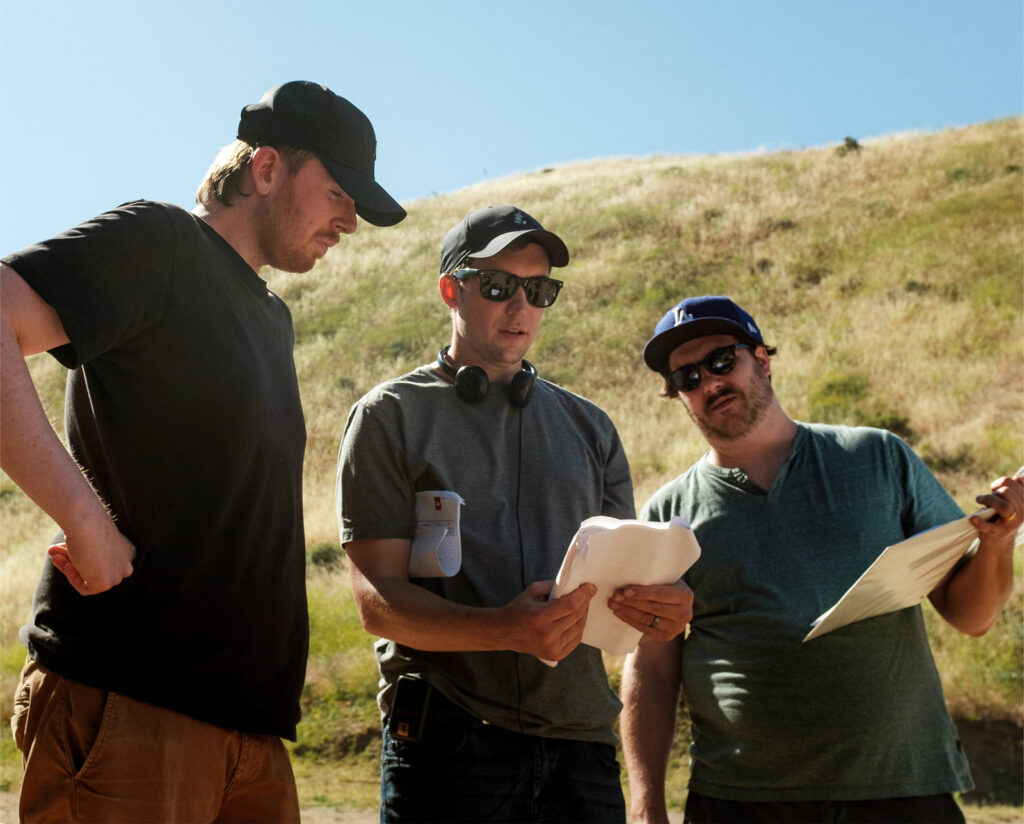
Most action films these days show brute force combat with martial arts elements woven throughout. Growing up watching Jackie Chan movies, and even the likes of The Matrix, I wanted to emulate something more strictly martial arts-driven. I presented the fighting influences to Brandon, but he really brought the choreography to life. His creativity expanded the vision tenfold and taking on the role of lead stunt coordinator, he was essential to bringing those sequences to life.
Brandon, Hector and I spent hours in a local park pre-visualizing every move. We shot everything on an iPhone and stitched it together to see what worked. Through that process I learned just how many moving parts go into an action scene, and how prepared you need to be before the main shoot.
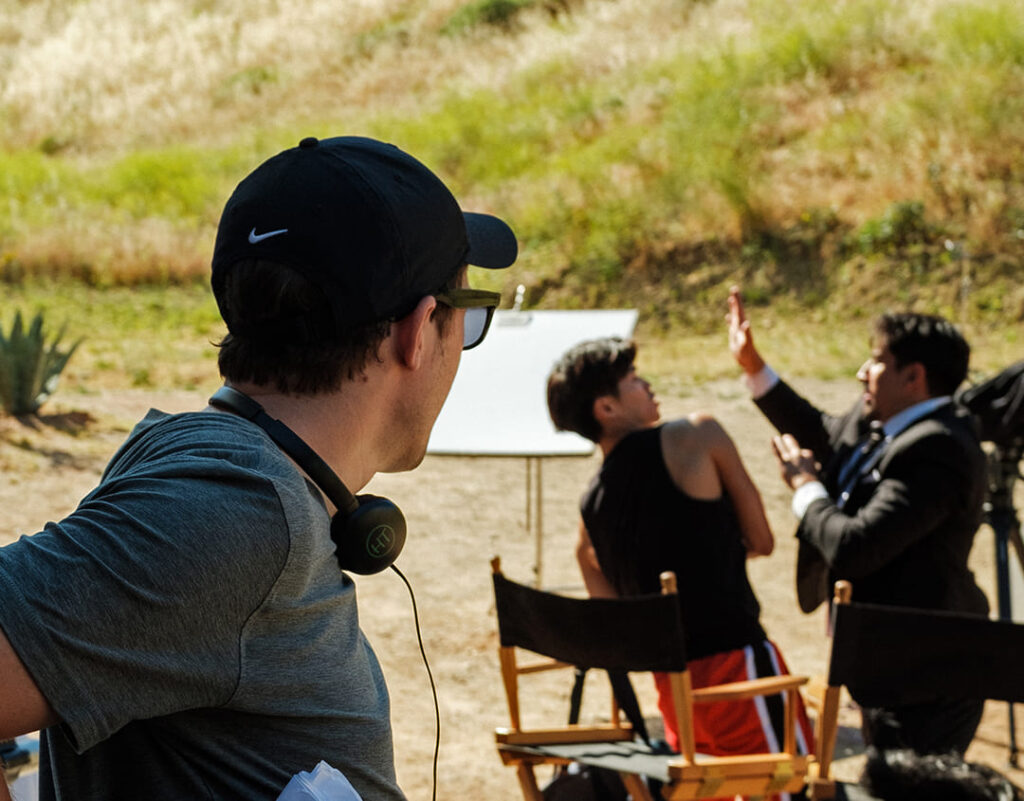
You mentioned that many members of the cast came from stunt backgrounds. What did working with professional stunt performers teach you as a filmmaker, especially on your first narrative short?
The stunt community taught me so much. They really set the standard for film set work ethic. I’ve worked on several commercial projects, but I’ve never seen someone repeatedly throw themselves through a golf cart onto the ground and say, “Can we do that again?”. It was also clear how tight-knit this group was. They truly look out for each other.
The original score gives the film a huge sense of momentum and personality. What was your collaboration with composer Erik Groysman like, and how important was music in shaping the emotional and comedic rhythm of the film?
Working with Erik was one of my favorite parts of making this film. We essentially reverse engineered the edit. Erik asked for a cut with no temp tracks, then sent back iterations of certain scenes we could re-time or extend around. Everything was original.
We had live recording sessions where musicians would play along to scenes on a monitor. It was a thrill to be part of that process. Our opening scene channels Hunter and Luke’s idol Tarantino, so we leaned into surf rock and spaghetti western tracks. As the stakes rose we shifted into a higher-octane rhythmic track. By the end of the film, we incorporated elements from the movie-within-a-movie guitar riff into the final climax to come full circle.
The film cleverly mixes meta-filmmaking commentary with genuine emotional stakes about creative ambition and sacrifice. Did your own experiences working in commercial filmmaking inspire the story of Luke and Hunter?
There is so much of Luke and Hunter in an early version of myself. When I graduated film school I thought I was ready to conquer the world of cinema. I was quite oblivious to how much more I needed to learn. It was cathartic to finally poke fun at that. It took years for that over-the-top confidence to become grounded. It’s a sense of relief when you feel right-sized.
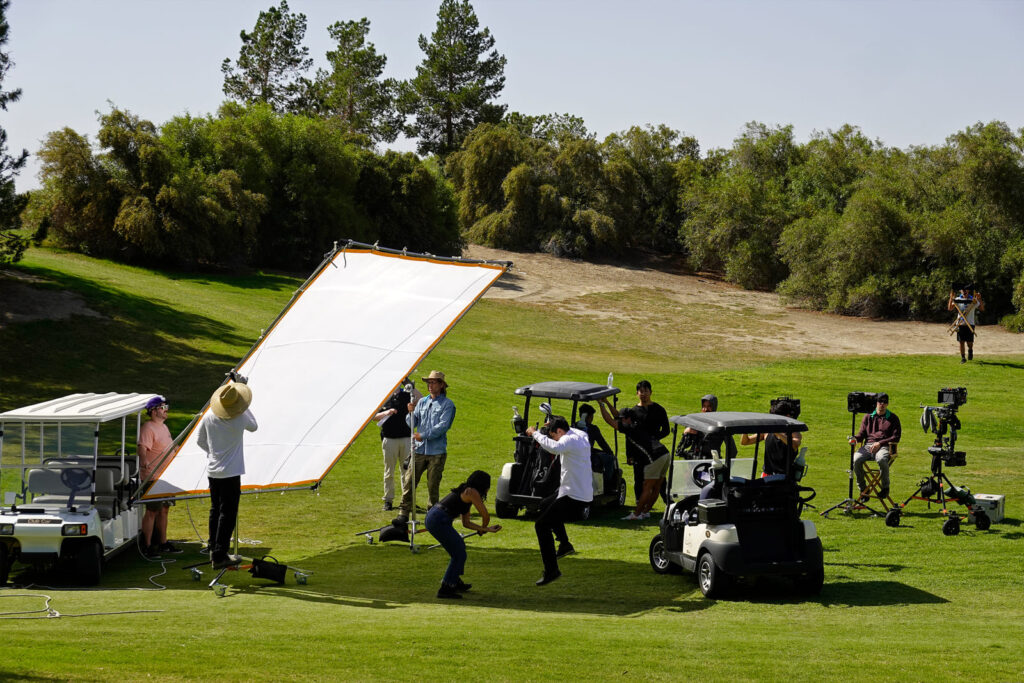
Producing an indie action-comedy on this scale clearly came with logistical challenges—from finding locations to staging ambitious sequences. What was the most difficult obstacle the team faced during production, and how did you overcome it?
One of the most challenging tasks we had was finding a golf course that would welcome an action sequence. We reached out to over thirty golf courses until we found one that not only let us shoot there, but embraced the production wholeheartedly.
Once in Palm Desert, the summer heat became our next challenge. We had dedicated crew members making sure everyone stayed hydrated. The location also provided us with an air-conditioned staging room, which was a godsend. The weather wasn’t kind in the evenings either. During the final scene, massive wind gusts picked up and our Steadicam operator Nicolas Kramer somehow held those shots standing still in what felt like the opening scene from Twister.
Violet Vendetta leaves viewers wanting more adventures with these characters. Do you see this short as the beginning of a larger universe, feature film, or future collaborations with this team?
From a quick turnaround passion project to a year-long film festival circuit across multiple countries, it’s been a dream come true. It’s been amazing having people come up to us wanting to see more of these characters and expand their world.
While I plan to tell other stories, we are leaving the door open to Luke and Hunter’s next adventure. Much like the characters in Violet Vendetta, we went to ridiculous lengths to make this film. It’s rare to find a group of people willing to go on that ride with you and I aspire to keep working with them.
The film is now available online via Omeleto:
Social media handle: https://www.instagram.com/tedhayden87/
Personal Website: https://www.tedhayden.com/