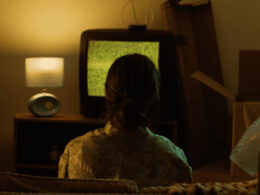



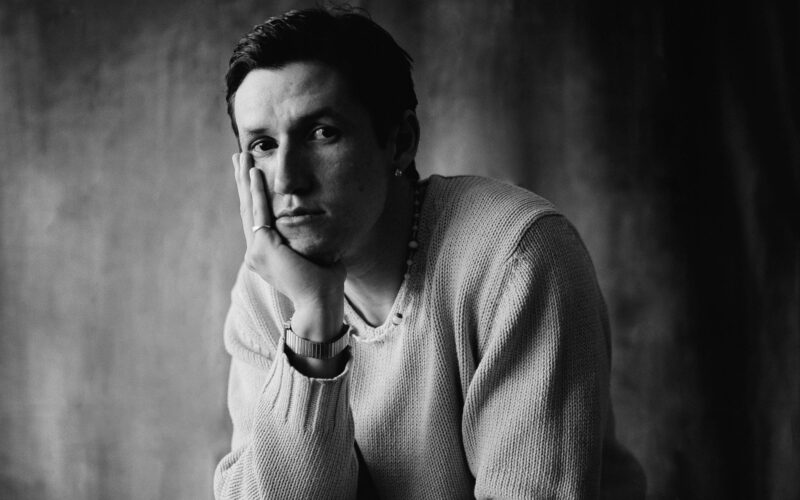
Leap and Soar deals with grief in a very intimate and restrained way. What drew you to telling this particular story, and why did it feel important to explore these emotions through silence and small gestures rather than dramatic confrontation?
I wanted to portray silence as a burden. Silence is so interesting because it has layers and textures: peace, relief, contemplation, but also absence, pain, and doubt. In this case, I was interested in how something absent can still feel incredibly heavy. For me, that was the most tangible way I could portray grief.
The film seems deeply rooted in memory and emotional fragmentation. How did your own personal experiences shape the narrative and visual language of the project?
The film holds a version of me that, at the time, didn’t have the emotional intelligence to fully understand my own processes or emotions. I felt fragmented, and for the longest time I carried those fragments as if they were whole. From those fragments, I had to piece myself back together and reinvent my own story. The film is that process.
Daniel and his mother share the same pain, yet they struggle to communicate with one another. What interested you most about exploring emotional distance within a family dynamic?
Both characters are going through the same feeling: the loss of someone they deeply love, a pain that slowly eats them from the inside out. Pain can blind us and shut us down into our own bubble. Pain creates more pain. And when it reaches your soul, it can feel like you are completely alone in a feeling that belongs only to you. But we forget that there is another person beside us who is suffering just as much as we are.
Your director’s statement mentions that “life is made of moments.” How did that philosophy influence the pacing and structure of the film?
It all started while writing the script. I realized I wanted to capture different glimpses of the story of this family — glimpses of happiness and sadness, silence and laughter. This led to having an impressionistic style of filmmaking. When you look too close, you can appreciate every stroke as a moment in their lives. Then when you take a step back, you can see the whole picture: a collection of memories.
Leap and Soar appears to blur the line between memory and present reality. How did you work with cinematographer Diego Aldana to create the film’s atmospheric and almost suspended sense of time?
It was a challenge since we wanted the memories to feel real and tangible, while at the same time feeling like they last forever. The present, meanwhile, felt absent, like something slipping away — a sort of visual contrast. We decided to approach the memories through montage and a very emotional first-person perspective, while the present became more static and quiet to emphasize silence specifically as a burden.
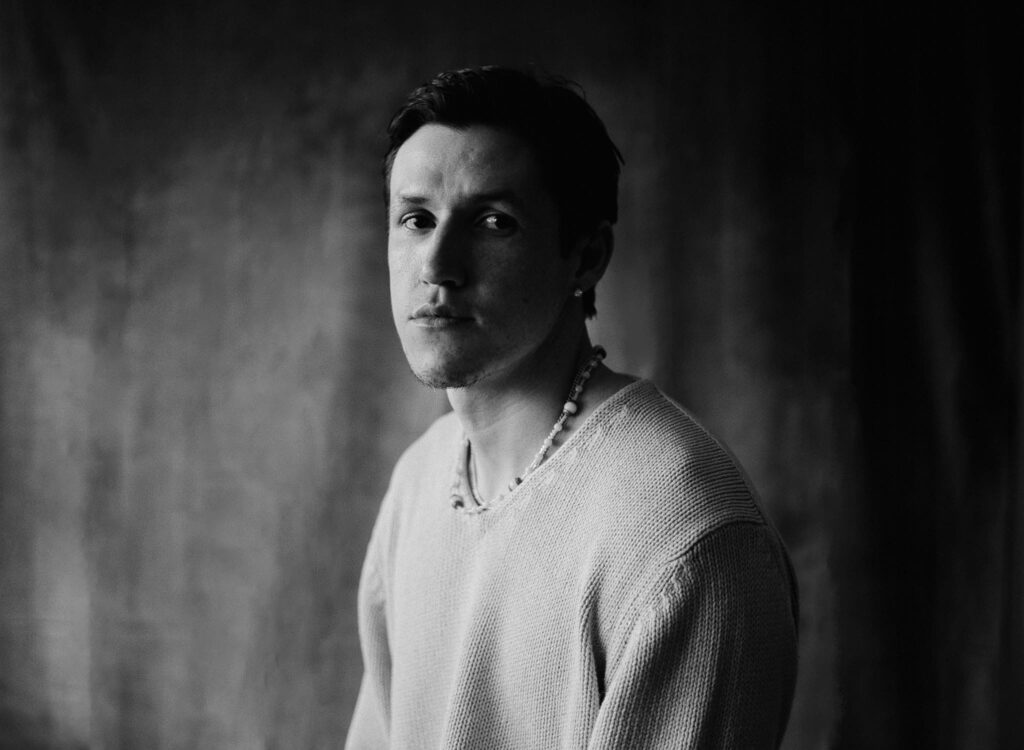
The performances in the film feel very natural and vulnerable. What was your process with the actors to create such emotionally honest moments on screen?
I was lucky that the actors are very close friends of mine. We rehearsed for six months, sometimes once a week, sometimes twice a month. I used my background in dance and performance to approach rehearsals in a very physical way. Around seventy percent of the exercises never involved speaking. They were built around trust, movement, and silence.
The film relies heavily on visual storytelling and restraint. Were there any filmmakers, artists, or personal influences that inspired the tone and aesthetic of Leap and Soar?
Of course. Edward Hopper was a huge influence, especially in the way he explores the relationship between individuals, psychology, and the spaces they inhabit. There’s a sense of disconnection in his work that really stayed with me. Emmanuel Lubezki was also a major influence because of how contemplative and poetic his cinematography feels. And Aftersun by Charlotte Wells deeply inspired me as well. It’s such a personal and autobiographical exploration of memory.
As both the writer and director, how did you balance your personal connection to the material with the need to shape it into a universal story audiences can relate to?
Spanish is my first language, and although I write and journal a lot in English, this was my first time writing a short film in English. I wanted to tell a story that people could understand even without language. As humans, we share similar emotions and experiences that transcend what language may limit.
The title Leap and Soar carries a poetic and symbolic feeling. What does the title represent to you in the context of the film and its characters?
This film is a love letter to faith, not necessarily in a religious sense, but in the sense of embracing life. Faith comes with trust, and trust comes from love. There are moments in life when it feels like nothing matters, and the love we once had no longer exists for us. But in reality, it’s waiting for us on the other side, waiting for us to take a leap and trust.
1Now that the film is beginning its festival journey, what do you hope audiences take away from the experience of watching Leap and Soar?
I want people to let go of the unnecessary weight they carry through life. Hug the people you love. Don’t be afraid to feel. Don’t be afraid to take on the journey of life. Smile, cry, embrace sadness, and enjoy happiness.