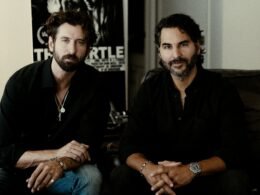




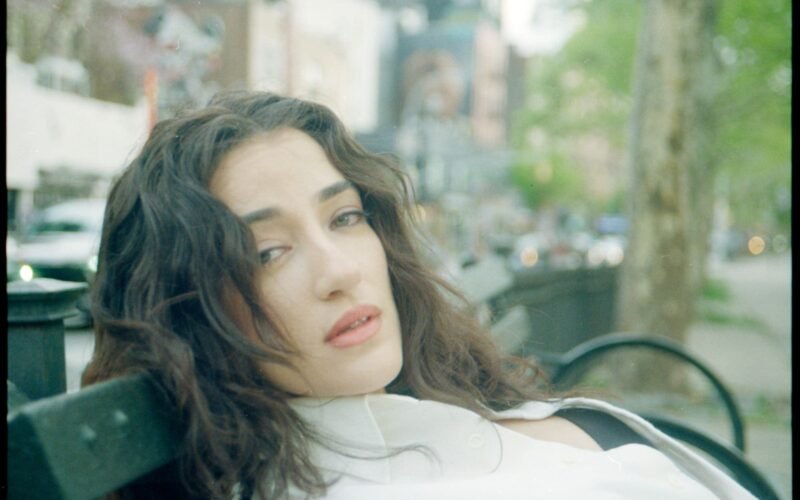
Drawing from her own multicultural background and experiences, Davila crafts a film that is as emotionally raw as it is visually striking, blending cinéma vérité influences with a timeless black-and-white aesthetic. Following its selection at the 2026 Maryland Film Festival, Pangea continues its festival run with screenings at Rooftop Films in New York City on August 13 and HollyShorts in Los Angeles on August 21, bringing its deeply resonant story to audiences across the country.
In our conversation, Mimi Davila discusses rewriting the film just weeks before production, directing herself while embracing spontaneity, collaborating with actress Sasha Merci and cinematographer Melina Valdez, and why she believes the most meaningful conversations about identity begin not in politics, but in our closest relationships.
Pangea explores identity through a very intimate relationship rather than through a traditional social or political narrative. Why did you feel that the emotional dynamics between two former lovers were the right lens through which to explore race, diaspora, and belonging?
I think identity always begins in intimate relationships. I think the fact that we usually
visually see them presented through the lens of political movements or posts on social
media actually allows us to distance ourselves from the equation. If people were able to
get more honest with themselves and reflect on those things from a more personal,
intimate place i.e thinking about their relationships with their parents that are another
race/ethinicty, a lover, a friend, what are those tensions/hurts that exist between us, we
would be further along here in the USA.
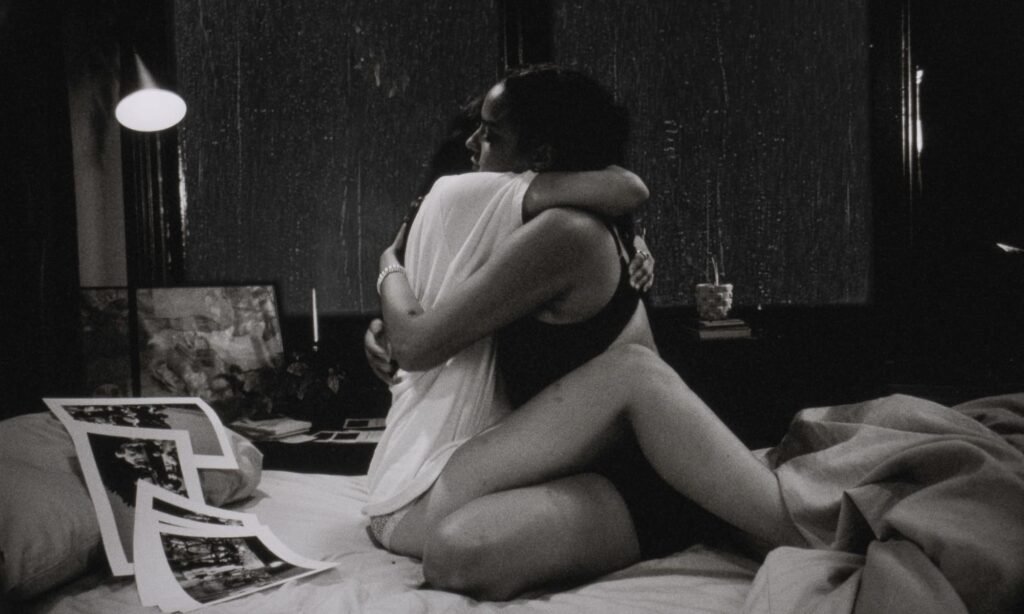
You have described the film as beginning from a deeply autobiographical place before gradually becoming its own story. At what point did you realize you had stopped writing your own experience and started writing cinema?
A friend gave me a major note just a few weeks before we started shooting that would
basically mean I had to restructure the whole film. I knew he was right. So about a
month before production, I threw away the old script and rewrote everything. Once I
made that change, I had to trust my subconscious, rather than trying to control. The
surrender is where cinema began.
The film takes place over the course of a single day and night, yet it suggests years of shared history between Rita and Echo. How did you approach building that emotional weight without relying on exposition?
I think it’s because when I originally started writing it, I had so many things I wanted to
say and they couldn’t possibly all fit. I had to streamline, but I also figured out how I can
cram. I tried to get in as much information in as little amount as possible. So I think that
makes every line feel loaded.
The chemistry between you and Sasha Merci feels remarkably natural, balancing tenderness, humor, desire, and confrontation. What conversations or rehearsal process helped establish that level of trust both as actors and as collaborators?
Before we started shooting, we had sessions led by our movement director, Christopher
Hernandez, in which we used dance and different movement exercises to get
comfortable with each other’s bodies. And I always told Sasha she could make
lines sound more like herself. And of course, there’s a lot of improv and ad-lib, staying
true to the cinema verite style which was one of my primary inspirations stylistically.
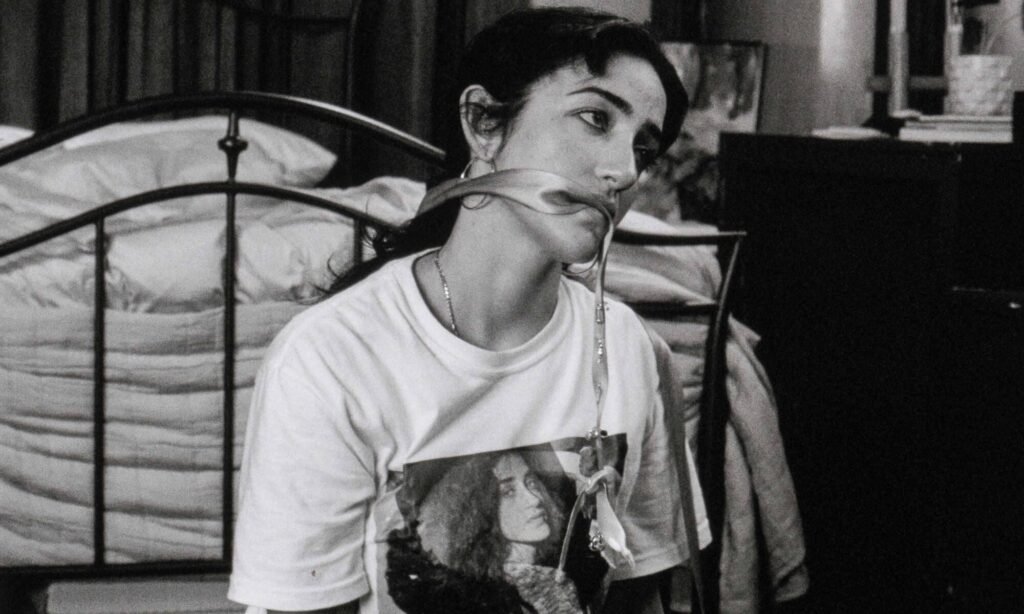
Pangea isn’t afraid to make the audience uncomfortable, particularly when discussing race within the Latino community and the ways people are perceived differently depending on context. Were you ever concerned about how these conversations might be received, or was honesty always the priority?
Of course I was nervous, scared, embarrassed. I really struggled with trying to make the
piece as much of a two-hander as possible because I was dealing with racial stuff, and I
didn’t want it to feel like it was being overpowered by my perspective as a white Latina. I
wanted to be honest, and if it offended someone through honesty, then that was okay.
But if I was being in any way inconsiderate or ignorant or insensitive, that was my
biggest fear. And also I was, you know, it was embarrassing to admit my insecurities.
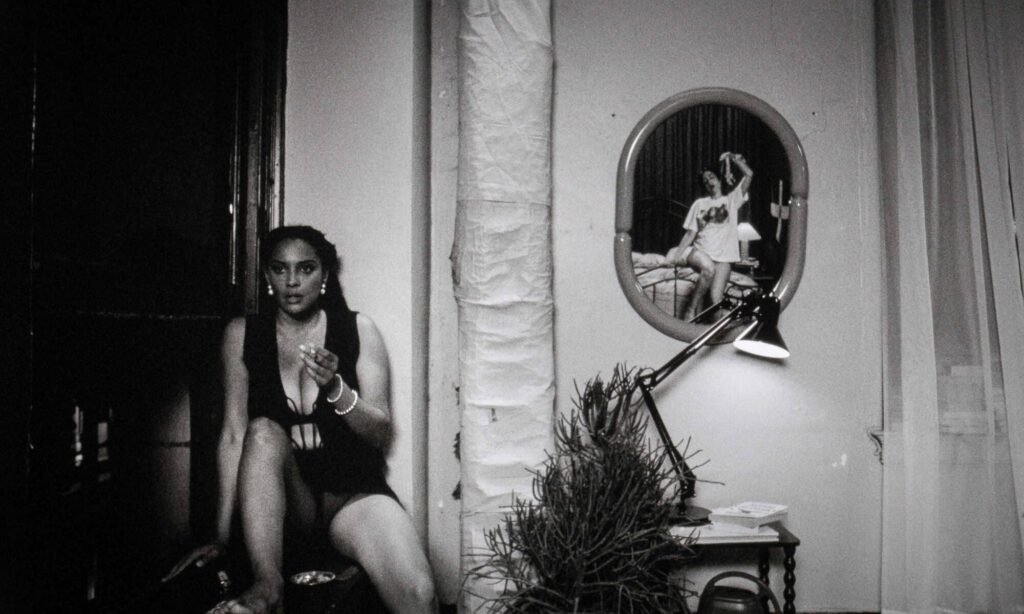
The black-and-white cinematography gives New York a timeless, almost dreamlike quality while the handheld camera keeps everything emotionally immediate. What visual language did you and cinematographer Melina Valdez want to create, and how did those choices reinforce the story?
Melina was very adamant on using this very sensitive, fragile black and white film stock.
And so a lot of the decisions revolved around that. I do think that when you have
structure or constriction, that’s when a lot of creativity happens. You know, like the park
where we had zero rehearsal, we were doing it on the fly, so the choices were very
much dictated by what was possible. And then when it came to the house, we had the
luxury of being able to be there for weeks. Shots like where you see Rita reflected in the
mirror while Echo’s smoking a cigarette, Melina was able to come up with that because
we had time in the space and with the production designer.
Your background spans acting, comedy, writing, and now directing. How has your experience as a performer influenced the way you direct actors, especially in scenes built around emotional vulnerability rather than plot?
I was very weary of falling into the trap, as I was directing myself, of being too in control
or knowing exactly how I wanted things to go, especially for a piece like this. The best
acting in my opinion is spontaneous and wild and unpredictable. The way that I primarily
directed Sasha was mostly through my performance. I was just trying to do things to her
with my acting. We also had a lot of rehearsal, so we were very comfortable in the
blocking. I also had a team of my best friends covering all the blind spots and helping us
work through the things that I couldn’t see.
Your Director’s Statement describes “home” as something that can exist in a person rather than a place. After making Pangea, has your own understanding of home changed?
After making something so personal that requires so much self trust , I’m finding home
in myself more and more.
Audiences have described Pangea as a film that leaves many questions unanswered, with its ending remaining intentionally open. What do you hope viewers continue thinking about after the credits roll?
I’m just happy that it’s staying with people and it’s making them feel something. That’s
enough for me. We don’t always have to know what the feelings mean. I think a mistake
I’ve made is that I’ve tried to intellectualize all of my feelings, and I’ve learned that
sometimes it’s enough to just feel them and then let them go. And so I think I’m doing a
service if I can ignite that in someone.
Following Pangea‘s selection at the 2026 Maryland Film Festival and its festival journey, what has surprised you most about the conversations audiences have wanted to have after screenings, and what stories are you hoping to tell next?
I’m just thrilled that people have been so enthusiastic at the Q&As, and felt so seen by
the piece. Because once I started submitting it, it was a really dark hole time for me
because I was like, is anyone going to connect to this? Am I alone in this? Is it gonna
even get in anywhere? So for me, it’s just been so fulfilling to make that connection with
audiences. The story I’m going to tell next, is the feature film version of PANGEA.