




This new data deepens the conversation around Asian and Pacific Islander (API) representation in mainstream films between 2010-2024, and Hollywood’s progress in diversity, inclusion and authentic storytelling.
The study found that almost two thirds (62%) of API industry professionals feel their voice is valued, a significant increase from 2021 when only about 44% surveyed felt this way. It also found API industry professionals are experiencing fewer microaggressions and a decreased sense of tokenization in the workplace.
GDI and CAPE hosted a launch event in Los Angeles on Thursday, May 29 to unveil the new report findings. The event featured a powerful panel discussion with leading creators, cultural commentators, and industry executives. Together, they explored the enduring challenges and shifting perceptions of API identity both on screen and behind the camera, while reflecting on the positive progress made so far.
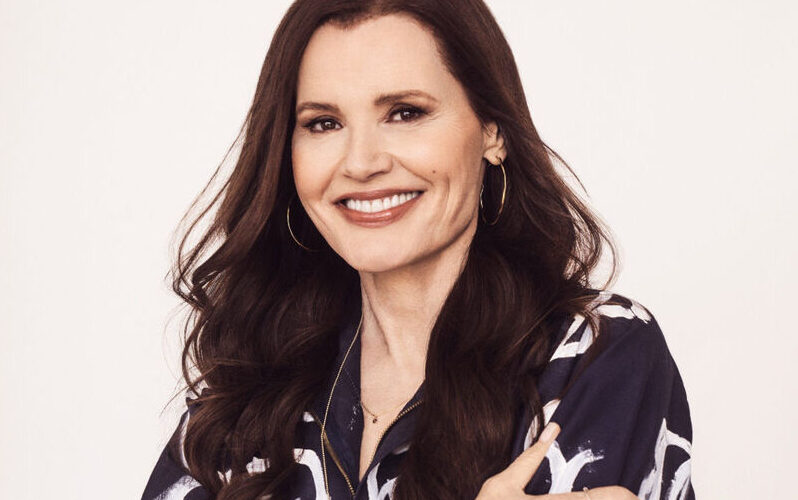
“Representation matters, both for how communities see themselves, and for how the world sees them,” said Geena Davis, Founder of GDI. “This new research is a powerful reminder that progress is possible when we prioritize authenticity. We’re proud to partner with CAPE to help ensure that API voices and stories continue to be seen, heard, and valued in Hollywood and beyond.”
The event’s opening remarks were delivered by Davis and Michelle K. Sugihara, Executive Director and CEO of CAPE, along with a presentation of the research from Meredith Conroy, Ph.D., GDI VP and a moderated discussion featuring Madeline Di Nonno, GDI President and CEO; Jonathan Ng Sposato, Joysauce Founder and CEO; Albert Cheng, VP, Head of Prime Video U.S. and Poorna Jagannathan, Actor.
“CAPE is honored to partner with the Geena Davis Institute once again to revisit these important barometers of media representation,” Sugihara said. “In these challenging times facing the entertainment industry, this research provides both a snapshot in time and an encouraging bellwether of progress as we collectively push for more nuanced and varied stories from our communities.”
Additional key findings from Rewriting the Script: A New Era for API Voices in Hollywood report include:
There are still gaps in how API representation is being portrayed behind the scenes…
- Those surveyed agreed that presence among leadership is an important point of representation for them personally (87.2%), but far fewer felt the industry as a whole (43.9%) shares this stance.
And on screen…however, progress has been made.
- 72% of API industry professionals say they’ve experienced microaggressions at work compared to 80.9% in 2021.
- Most respondents (81.7%) reported that they are often the only API person in the room, however this is down about 8 percentage points (from 89.4%) from 2021.
- Nearly two thirds have felt tokenized (62.9%), which is down 10 percentage points from 2021 (72.5%).
But there’s still MORE to be done.
- When survey respondents were asked about what they would like to see change regarding API representation in Hollywood, one of the most common words mentioned was “more”: “more stories”, “more diversity”, “more authenticity”, and “more opportunities”.
The full report is available at GeenaDavisInstitute.org.