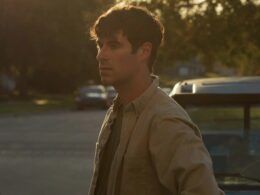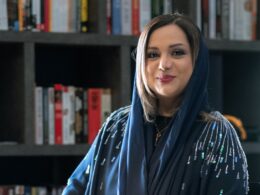


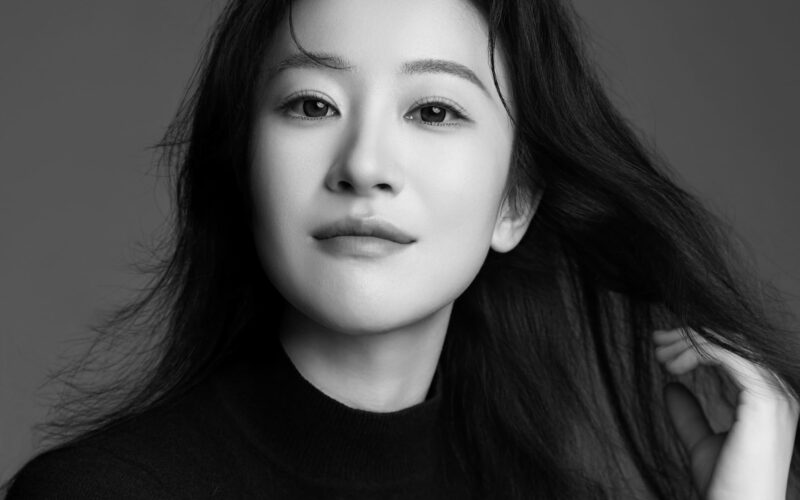
From contributing music to major productions such as Panda Plan starring Jackie Chan to composing the Chinese original musical adaptation of The Curious Case of Benjamin Button, Wang continues to explore how music can deepen emotion and connect audiences to a story. In this interview, Julien speaks with composer Haibei Wang about cross-cultural storytelling, the role of sound color and orchestration, collaboration with filmmakers, and the creative challenges that continue to inspire her.
Growing up in China and later building your career in New York, how has your cross-cultural experience shaped the way you approach storytelling through music?
Growing up studying Western classical music gave me a very specific understanding of structure, harmony, and how music can directly shape emotion. At the same time, Chinese and Asian art often embraces subtlety, abstraction, and leaving emotional space for the audience. Those two perspectives shaped the way I tell stories through music. Sometimes the music needs to speak very clearly and carry the emotion forward, while other times it’s more powerful to leave space for the story and allow the audience to discover emotions on their own.
Your work blends cinematic orchestration with contemporary textures and Eastern influences. How do you balance these different musical languages while still maintaining a unique voice as a composer?
I always think about the story as the final picture. Before I start writing, I usually break my workflow into layers and first ask myself what the “color palette” of the project should be. That could mean instrumentation, sound textures, or certain performance techniques that make the music feel unique to a specific story or scene. Once that world is established, I let instinct and musical memory take over. Because the emotional structure is already clear, different musical languages tend to collaborate naturally instead of competing with each other.
You’ve worked across film, musical theatre, animation, documentaries, and video games. Do you approach composing differently depending on the medium, or is there always a common emotional thread in your work?
Each medium definitely requires a different musical approach. For animation, I might lean more into fantasy and exaggerated colors, while for live action I’m often more focused on psychological texture and emotional subtlety. For documentaries, I usually try to stay more neutral and respectful to the reality of the story. With video games and musical theatre, it really depends on the narrative world, since some projects ask for something highly imaginative while others need to feel very grounded and human. No matter the medium, though, emotional connection is always the core of my work.
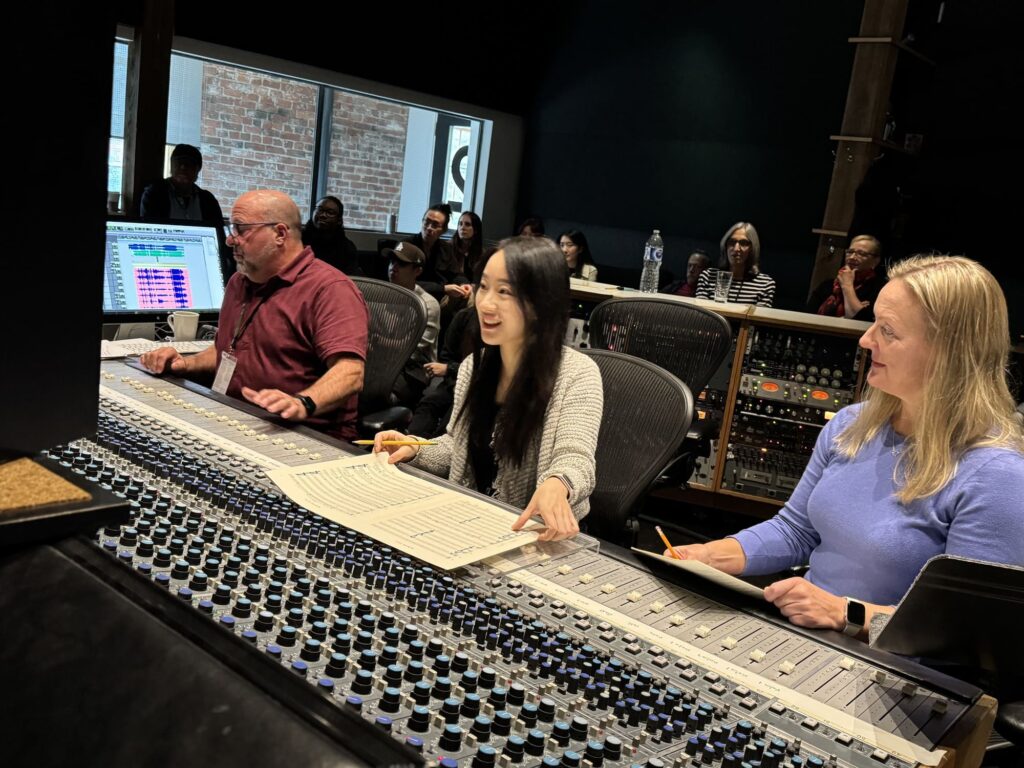
You contributed additional music to Panda Plan starring Jackie Chan. What was that experience like, and what did you learn from working on a large-scale production like that?
Besides the scale of the production itself, the film had a very unique personality because it blended comedy, action, suspense, and emotional moments all within the same world. One thing I learned from that experience was how important flexibility is in film scoring. Our score team didn’t strictly follow the temp music, since the temp mainly suggested placement rather than pacing, orchestration, or emotional direction. That gave us room to create a musical language that better supported the film’s own identity instead of simply imitating existing references.
Your musical adaptation of The Curious Case of Benjamin Button premiered in Shanghai in 2025. What attracted you to that story, and how did you translate its emotional and philosophical themes into music?
Honestly, my first reaction to the project was panic. There was already the Hollywood film and the West End musical version before us, and both are masterworks in their own way. But once I started collaborating with the creative team, they gradually helped me enter the emotional world of the characters, and together we discovered the emotional arc of the show. I was also able to bring in my background in film scoring. From the beginning, I wanted the musical to feel cinematic in tone, where the orchestration, transitions, and emotional pacing could move almost like a film while still maintaining the intimacy and immediacy of live theatre.
You’ve mentioned that “storytelling, emotion, and color” are central to your musical identity. When you begin a new score, what usually comes first for you: melody, texture, rhythm, or something more instinctive?
Usually, color comes first for me. I like to search through my own musical vocabulary and find a few “words” that belong to the world of the story. Those words might be certain instrumental textures, harmonic colors, or rhythmic feelings. Once I discover them, I begin combining them together, and the musical identity naturally starts to form from there.
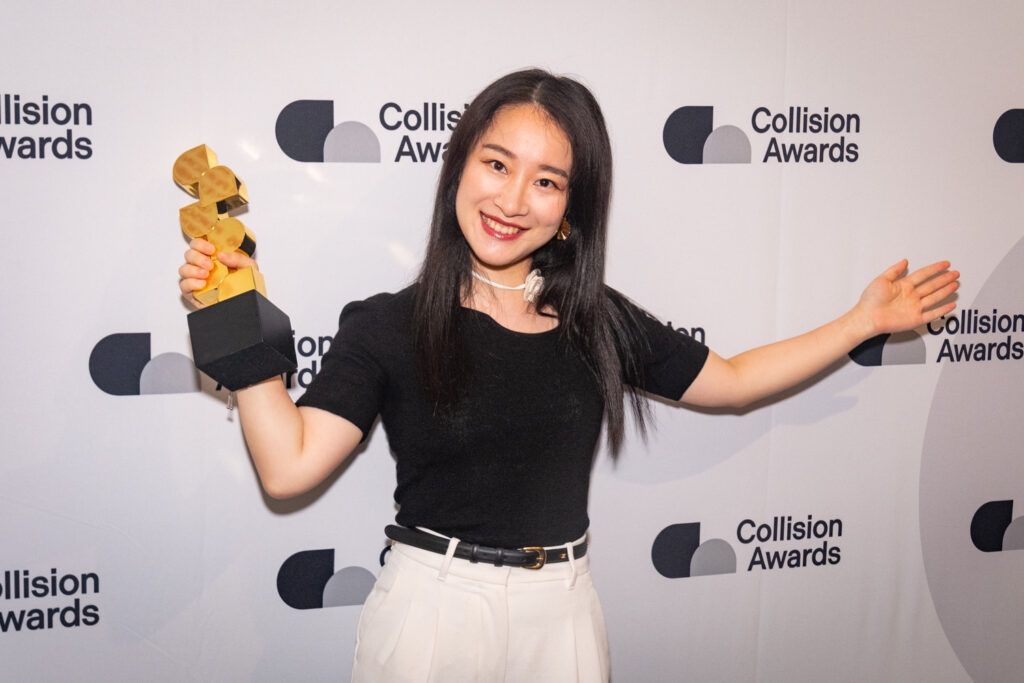
Many of your projects explore highly emotional territory, from intimate dramas to documentaries and animated films. How do you use sound color and orchestration to shape the audience’s emotional experience without overwhelming the story?
One of the most important things I learned at NYU was how to listen. As film composers, we are not only expressing ourselves the way concert composers might; we are serving the story and helping communicate what needs to be said emotionally. Whenever I finish a cue, I usually step away for a few minutes and then come back to watch it again as an audience member instead of as the composer. That helps me recognize when something is becoming too heavy or overwritten, because sometimes the most powerful choice is restraint.
Collaboration is such an important part of film scoring. What have you learned about communicating with directors and filmmakers, especially when translating visual ideas into music?
I’ve learned that asking questions is incredibly important. I actually prefer discussing music with directors in emotional or visual language rather than technical musical terminology, because that usually creates a much more open and creative conversation. When there’s disagreement, I try to understand what they’re feeling emotionally instead of focusing on whether the music itself is “right” or “wrong.” I might ask what feels missing or emotionally off in the current version, and that helps me revise the cue while still keeping creative freedom instead of feeling restricted by notes. At the end of the day, I trust that everyone involved is trying to make the project better together.
You were selected for both the ASCAP Film Scoring Workshop and the Vancouver International Film Festival Composer–Filmmaker Accelerator. How have programs like these helped shape your artistic growth and career opportunities?
Composing can be a very solitary profession, so programs like these are incredibly valuable to me. They gave me the opportunity to learn from other composers, directors, musicians, and mentors while also reminding me that I’m part of a creative community. Seeing the talent and perspectives of other artists constantly pushes me to grow and keeps me inspired creatively.
Looking ahead, what kinds of stories or creative challenges are you most excited to explore next, whether in film, theatre, or interactive media?
I’m always excited by projects that challenge me to do something I haven’t done before. Creating is much more exciting to me than repeating the same formula. Whether it’s a new storytelling structure, a different musical language, or a completely unfamiliar genre, I love projects that force me to discover new creative possibilities.
For more information about Haibei Wang and her work, visit:
Website: www.haibeiwang.com
IMDb: www.imdb.com/name/nm11484477/
Instagram: @haibei_wang