




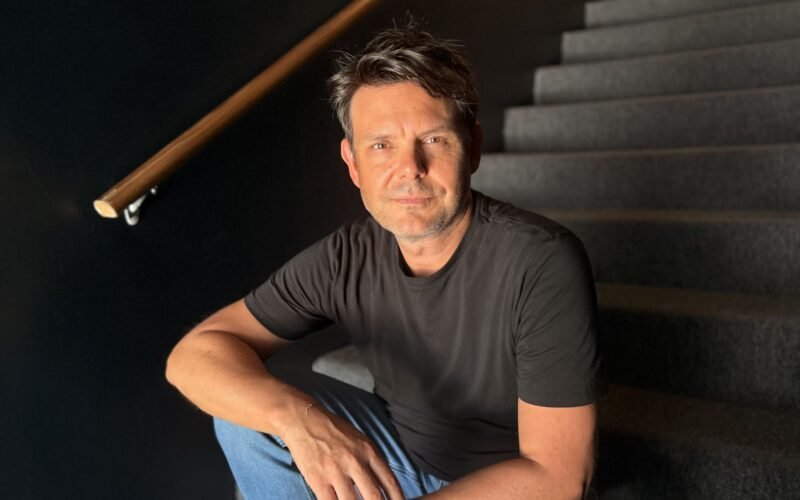
In this interview, Sturgeon discusses constructing the film’s ambiguity, developing Shirley with Natalie Mitchell, using silence and physical behavior to communicate what dialogue cannot, and completing the 21-minute film over an intense three-day shoot. He also reflects on Gossamer as the beginning of a wider body of work exploring hidden lives, human connection, and the courage required to be truly seen.
Gossamer explores grief alongside the tension between a person’s inner identity and the self they present to the world. What first led you to connect those two emotional experiences within Jack’s story?
I felt like grief was the catalyst for reinvention. Jack’s grief over the loss of his grandmother left him with little else except to embrace the truth of who he is. There is also the idea that, without the chains of expectation (even from someone he loves), there was space and freedom for Shirley to emerge.
The film gradually challenges our understanding of Shirley and her relationship with Jack. How did you approach revealing the truth of that connection while preserving the ambiguity that defines the film?
Jack and Shirley are the same person, but I wanted this to emerge slowly and unravel as Jack himself unravels. I wanted this film to be different for everyone watching it. There are gradual reveals that Jack is essentially talking to himself, and I wanted that to be subtle and gentle in the way we presented it.
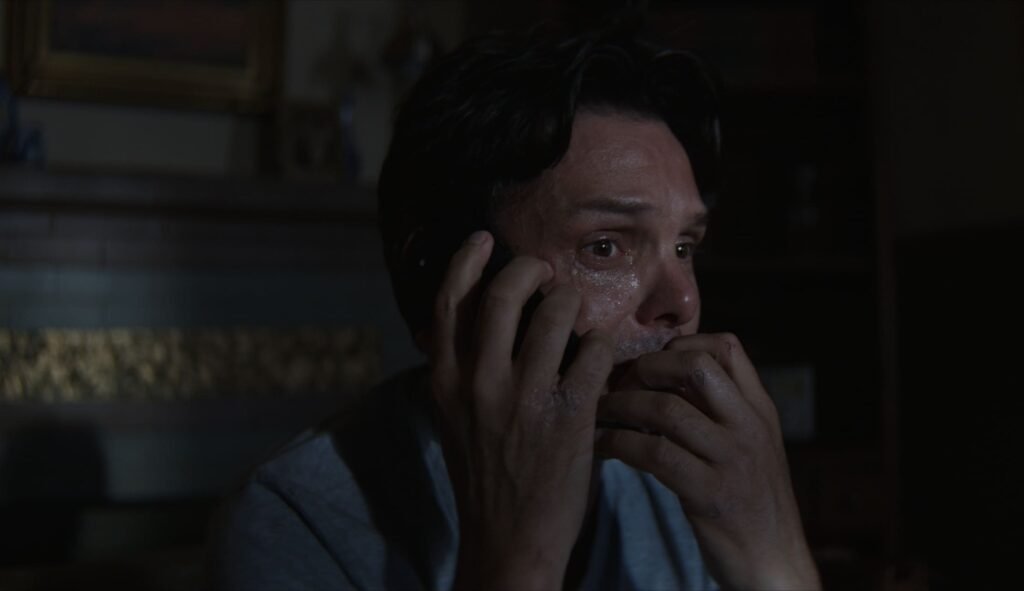
The house seems to function as more than a physical setting, it becomes a refuge, a prison, and a repository for memory. What did the space represent to you, and how did you use it to externalize Jack’s emotional state?
The house is essentially a character. It is all those things you say, and most importantly it is a prison. I wanted the space to feel confining and claustrophobic and to use only one location which really added to the creation of this world.
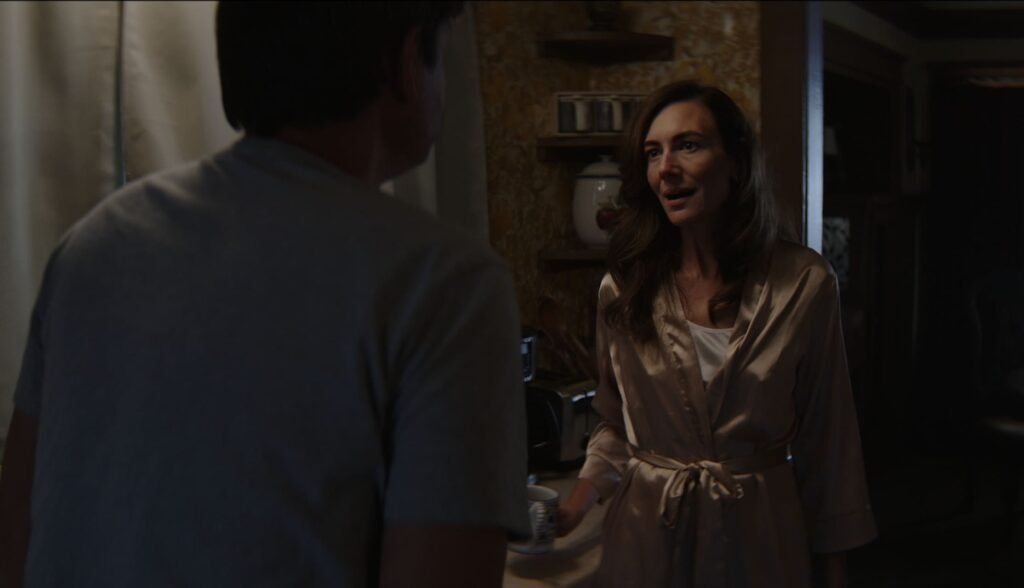
Shirley possesses a theatrical confidence that contrasts sharply with Jack’s fear of being seen. What conversations did you have with Natalie Mitchell about portraying her as both a vivid character and an expression of Jack’s interior life?
Natalie and I had lots of discussions about Shirley. We talked a lot about how she moved, and how she talked. I wanted an actress who could portray a theatricality in her physicality but also be real and vulnerable and broken in places. This is especially shown in the ballet sequence. We talked about Shirley being a “dying swan” and Natalie was brilliant in being able to capture that.
Having previously worked with Natalie in a production of Closer, how did that decade-long creative history shape the intimacy, tension, and trust required for your performances in Gossamer?
It is so much easier when you have experienced working with an actor previously, as we had. Our work in “Closer” was very different to this but we established a friendship and a creative respect for each other which meant that as soon as filming started, we were ready. There was a shorthand between us that we could immediately draw on.
You have described Gossamer as the beginning of a larger body of work examining identity, reinvention, and the fear of being truly seen. How will those themes evolve in projects such as Evensong, The Night Anonymous, and The Towers?
I think those themes will continue to evolve through different characters and circumstances. What interests me is the gap between who we are privately and who we allow the world to see. All my work approaches this theme from different places. I am interested in characters who have constructed a version of themselves to survive and what happens when that version can no longer protect them.
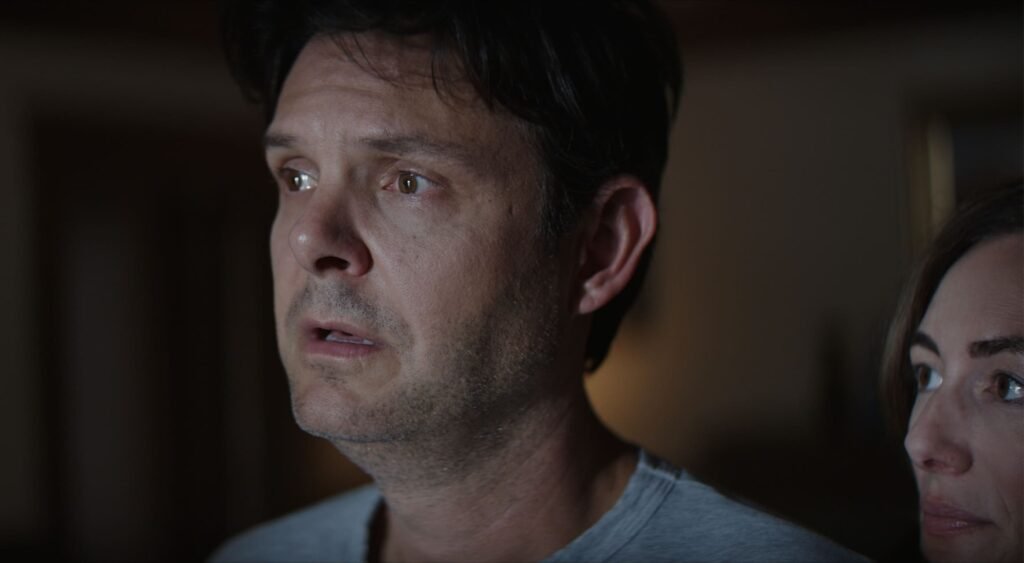
Angelle Brooks enters the film as a grounding presence from outside Jack’s isolated world. What did you want her character to bring to the story, and how did Angelle’s performance reshape those scenes?
Angelle’s character was a representation of the outside world, and I wanted it to be someone grounded and kind. She has this wonderful presence, and you immediately trust her. This was vital because she represents Jack’s first real connection with the outside world.
Much of the film’s meaning emerges through silence, gesture, and shifts in behavior rather than exposition. How did your experience as an actor and acting teacher influence the way you directed these restrained performances?
I always explore the idea of behavior being more interesting to watch than just hearing dialogue, and those are the performances I believe and love watching. At the Margie Haber Studio, we work from that same foundation and in a non-technical way create characters that we want to watch, Silence is everything and allows the actor space to think and respond and simply exist. My directing naturally has moved in that direction.
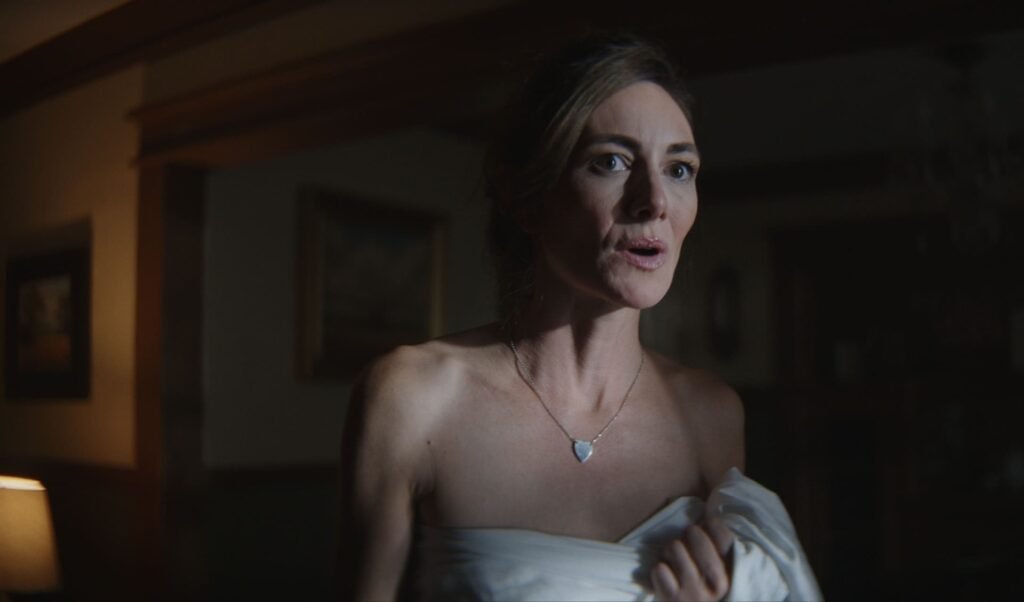
Jesse Aragon’s close, intimate cinematography and Stephen Lambriodes’ editing create a fluid boundary between memory, fantasy, and reality. How did the three of you develop the film’s visual language and decide how much clarity to offer the audience?
Jesse and I collaborated closely on how this film would feel, and we used art references as starting points for some of the scenes, which was incredibly helpful in visualizing how the film would look.
Stephen came in much later in the process, so it was much more about deciding what we didn’t need more than anything. It became a question of how could we keep the visual language and trim time and how that would effect the audience’s journey.
You shot the entire 21-minute film independently over only three days. Which scene or creative challenge placed the greatest demands on the team, and did any practical limitation unexpectedly improve the finished film?
The limitation of the house was a gift in many ways as it is very small and we had a large crew, but that claustrophobic feel was just perfect for us to live this life. If we had multiple locations, it may have lost that feeling of confinement and intimacy.
The ‘dinner scene’ probably placed the greatest demands on the team, simply because it involved so many setup’s and took the longest to film. In a three-day shoot, time is always against you, so that required a lot of focus from everyone.