



In this interview with IndieWrap, St. Clair discusses the challenges of balancing two genres, why empathy was more important than creating a traditional action hero, the realities of independent filmmaking, and how The Lonely Crowd reflects the complexities of dating in the digital age—all while looking ahead to the next chapter of his filmmaking journey.
The Lonely Crowd begins as what feels like an awkward modern dating story before transforming into a crime thriller. At what point did you realize those two genres belonged together, and what did that combination allow you to say that a straightforward romance or thriller couldn’t?
During the initial date, each party is basically trapped in social stereotypes rather than relating to each other as individuals. I think the trick is to move them from these starting points. The thriller component serves as a catalyst for their arcs. I feel that conflict and adversity drive character development, so it seemed to me like a good pairing of genres from the very inception. Also, by adding a thriller element to the story, we were able to raise the stakes and shift the forms of antagonism. We could also take our heroes through tougher obstacles while balancing out their internal struggles.
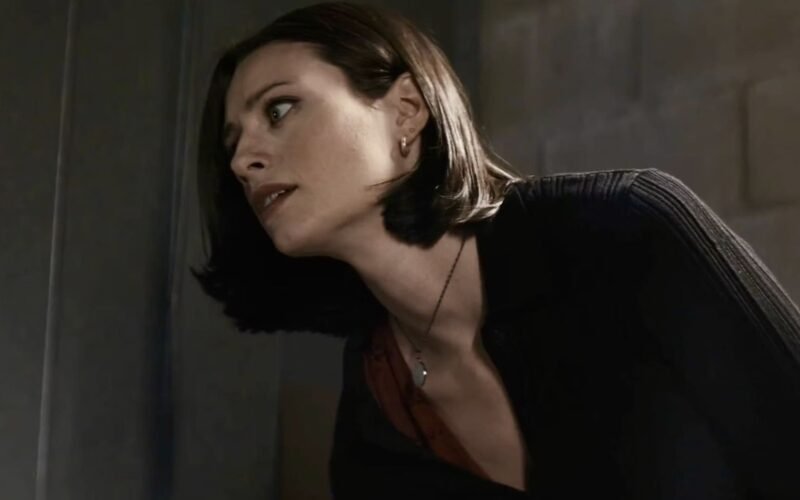
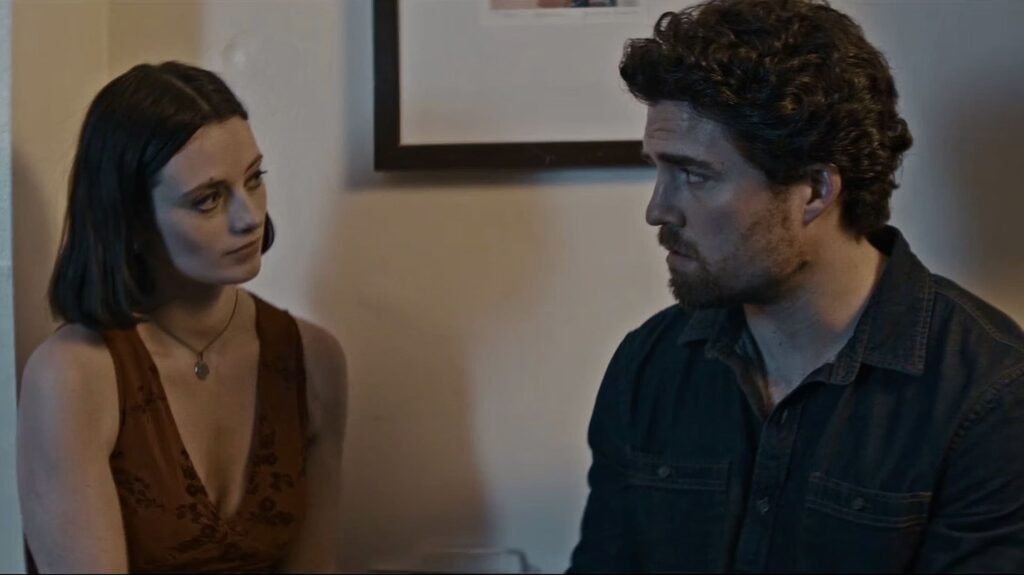
The film explores how men and women often approach dating with preconceived ideas about one another. Were there any personal experiences or observations that inspired Peter and Ashley’s dynamic, and how did you avoid turning either character into a stereotype?
I took a little from my own experiences, but I found that, in general, many people have had similar experiences. I listened to many stories from friends, relatives, and online discussions. It seems that most people have had at least one negative experience with online dating, but some have had good experiences as well.
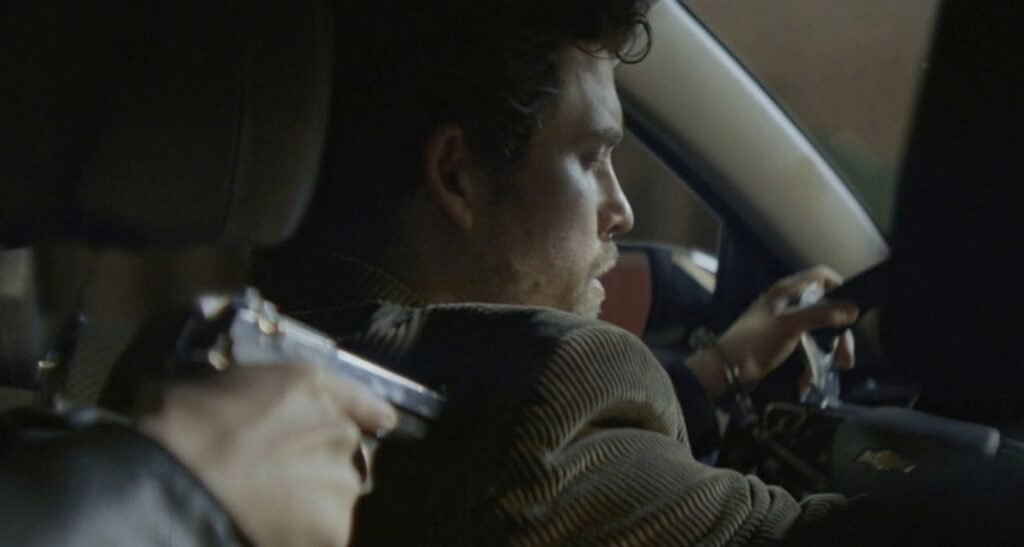
Peter isn’t a conventional action hero—he’s an ordinary man forced into extraordinary circumstances. What interested you about telling a thriller through the eyes of someone whose greatest strength is empathy rather than experience?
I wanted the protagonists to be more grounded, thrown into a situation they can’t control, and then rise to the occasion. I think the audience empathizes with characters like that, rather than people who are clearly in control and up to the task. Experience varies, but empathy is universal.
Despite the escalating danger, the emotional relationship between Peter and Ashley remains the heart of the story. How did you maintain that balance in the writing and editing so that neither the romance nor the suspense overshadowed the other?
Because Peter and Ashley get off on the wrong foot, it naturally adds to the romance and tension. For me, a slower build of romantic interest is much more interesting than an instant ‘switch’ that goes off, and the leads suddenly fall in love because the plot—not the story—called for it. To me, the romance came first, and the thriller was the balancing genre. If you keep this in mind, you should be able to balance everything out in the writing phase.
Several reviews have compared the film’s structure to an “anti-meet-cute,” where connection is forged through chaos rather than romance. Was that inversion of familiar romantic storytelling something you consciously wanted to explore from the beginning?
That’s an interesting term; I hadn’t heard it until now. But yes, I definitely wanted them to start at odds and then try to connect because, given the social climate these days, it’s similar to what modern dating has become. The story is kind of a throwback to the films of the early to mid-20th century, where the main conflict begins between the two romantic leads, and external circumstances only make things worse.
This marks your first feature after directing award-winning short films. What lessons from your earlier work proved invaluable on a feature, and what surprised you most about making the leap to a 105-minute narrative?
From the animated short I did, Red Tape, I learned that it was a bit like working ‘backward’: you have to have the voiceovers done first and really stick to the storyboards and shot list; there is no room for last-minute changes. But for the other short I did, Madness Unplugged, I learned a lot more about blocking, lighting, camera movement, etc. For this feature, I learned that time is the most valuable thing on a set. I’m the kind of director who likes to get as much footage as possible; to give myself as many options as possible in the editing room. I also learned that some technical elements that I thought the audience would surely notice did not catch their attention. But at the same time, some elements that I did not think would be an issue for audiences tended to take them out of the story momentarily. Also, the camera picks up everything—make sure you know exactly what you want in each frame. Even what you may consider to be the most mundane details matter.
Your dialogue often reflects the misunderstandings and defensiveness that define today’s dating culture, yet the film ultimately argues for seeing people as individuals. Did your perspective on modern relationships evolve while making the film?
I think that the only way people have a chance at a successful relationship is by seeing the other person as an individual and, in a sense, dropping their guard. They must overcome their preconceived notions and leave their prior experiences behind. I think there is a growing trend of people talking about relationships online and on social media. Before the internet, you may have had a few people close to you who gave you some advice. Now, you have access to the entire world’s opinion on everything. While this can be good at times, you have to be careful who you listen to. Sometimes people have good advice, but sometimes, despite what they say, they are even more lost than you are. In the film, Peter’s friend, Matt, falls into this category.
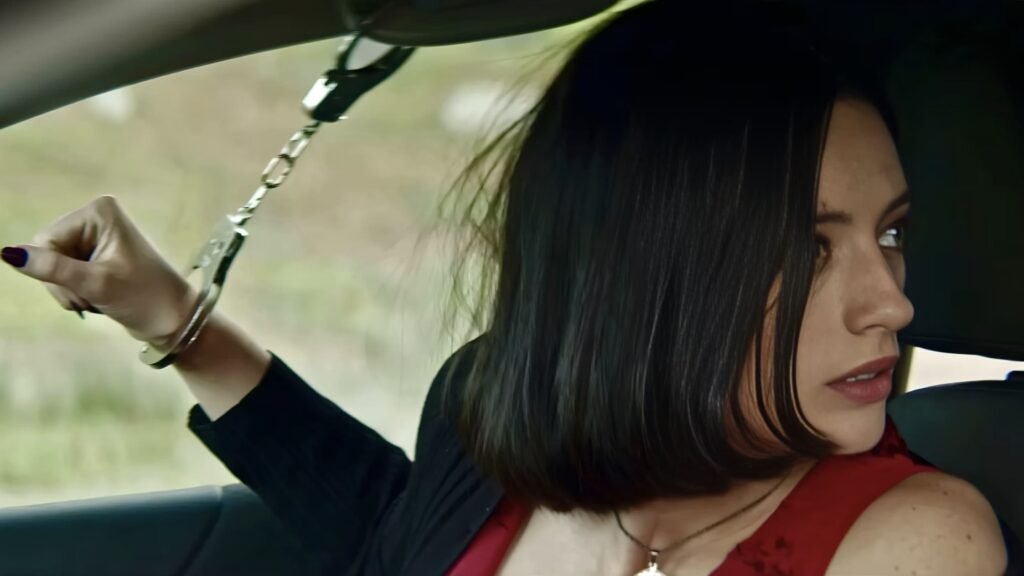
The film was made independently, but it has an ambitious cinematic scope, from its widescreen photography to its action sequences. Which production challenge pushed you the hardest creatively, and how did finding a solution ultimately improve the finished film?
Opening the film with multiple locations and moving car shots at night in the city was difficult for a production of this size. Filming overnight in a real junkyard was also difficult. However, after the first day or so of filming, we realized we had to go much faster than on a short or a film confined to only a few practical sets. We had to make some adjustments to the shooting schedule, which is usually not advisable. But you must be ready to work well under pressure.
The title, The Lonely Crowd, suggests that loneliness can exist even when we’re constantly surrounded by people—or connected through technology. What does that title mean to you today, and why did it feel like the right name for this story?
The title is ironic because one should not be lonely amongst a crowd of people. However, it shows that just because there is a large population that surrounds you, it doesn’t mean you feel a connection with anyone. In fact, it’s usually the opposite. Technology has, unfortunately, often made connecting with people harder rather than easier.
Now that audiences have seen your feature debut, what aspects of your voice as a filmmaker do you hope they recognize, and how do you see that evolving in your upcoming projects, including the sci-fi thriller you’ve hinted at?
I hope they see that there are several layers to this film. Despite it being a low-budget production, the layers are there. The characters are fleshed out and have depth, and that comes through in the film—and that’s what matters most. I hope the audience sees the social commentary, but we do NOT (and never will) lecture them; it’s all in the subtext.
For the next project, we’re going to pay more attention to quickly fixing technical issues that pop up here and there, but I will always put storytelling first. I think one can create an insightful, artistic story told in an entertaining way—insightful and entertaining are not mutually exclusive; it just takes a lot of work. Currently, we’re working on 1) a dystopian sci-fi film and 2) a horror/thriller picture with a female lead. Whichever film we make next will definitely be relevant and relatable for today’s audience.