


Blending intimate performances, soulful musicality, and a refreshing perspective on Black love and masculinity, Love Song explores vulnerability in a way rarely seen onscreen. In this conversation with IndieWrap, Love Nafi discusses the inspirations behind the project, her unique journey from physician and Army Major to filmmaker, and why authentic, emotionally honest storytelling matters now more than ever.
Love Song explores the tension between ambition, love, and personal identity. What first inspired you to tell this story, and why did it feel important to tell it now?
I think we’ve all been in situations where we felt stuck, or needed to make a difficult choice whether in relationships, career, family, the list goes on. The weight of that never gets easier. We just don’t talk about it enough. Right now the film industry is screaming for more stories that feel fresh, radical, authentic, and tell the truth. Many would argue that we don’t need another remake. I made Love Song in hopes of addressing this void, and also to change the way we look at love stories. Everything is not always in pursuit of. . . sometimes it’s the restraint and lack of pursuit that makes the story.
The emotional complexity of Mathieu’s journey feels very grounded and human. How did you approach writing a character torn between family responsibilities, artistic passion, and unresolved emotions?
I drew a lot from my own journey being a multifaceted family woman juggling multiple identities, and also from other artists who sometimes struggle to balance tradition and structure with their eclectic and creative lifestyles. We’re often caught in between two worlds, and that’s where the core dramatic tension lies.
Music plays a central role in the narrative, almost like another character in the story. How did you work with the musical elements of the project to reflect the emotional states of the characters?
Our Grammy nominated composer, Curtis Richardson, gave us a lot of material to work with. We were very blessed to have him on the team because he really took his time curating a catalog that truly serviced the story. Myself, and co-EP Mohamed Williams had a hard time narrowing down songs because the choices were so good! Musicality and pacing are very important to me as a director. Ultimately when I made the final placements I wanted the music to feel unforgettable without overpowering the inherent beauty within the scenes.
In your director’s statement, you mention wanting to challenge traditional portrayals of Black love and masculinity. What conversations or perspectives were you hoping to bring to the screen through Love Song?
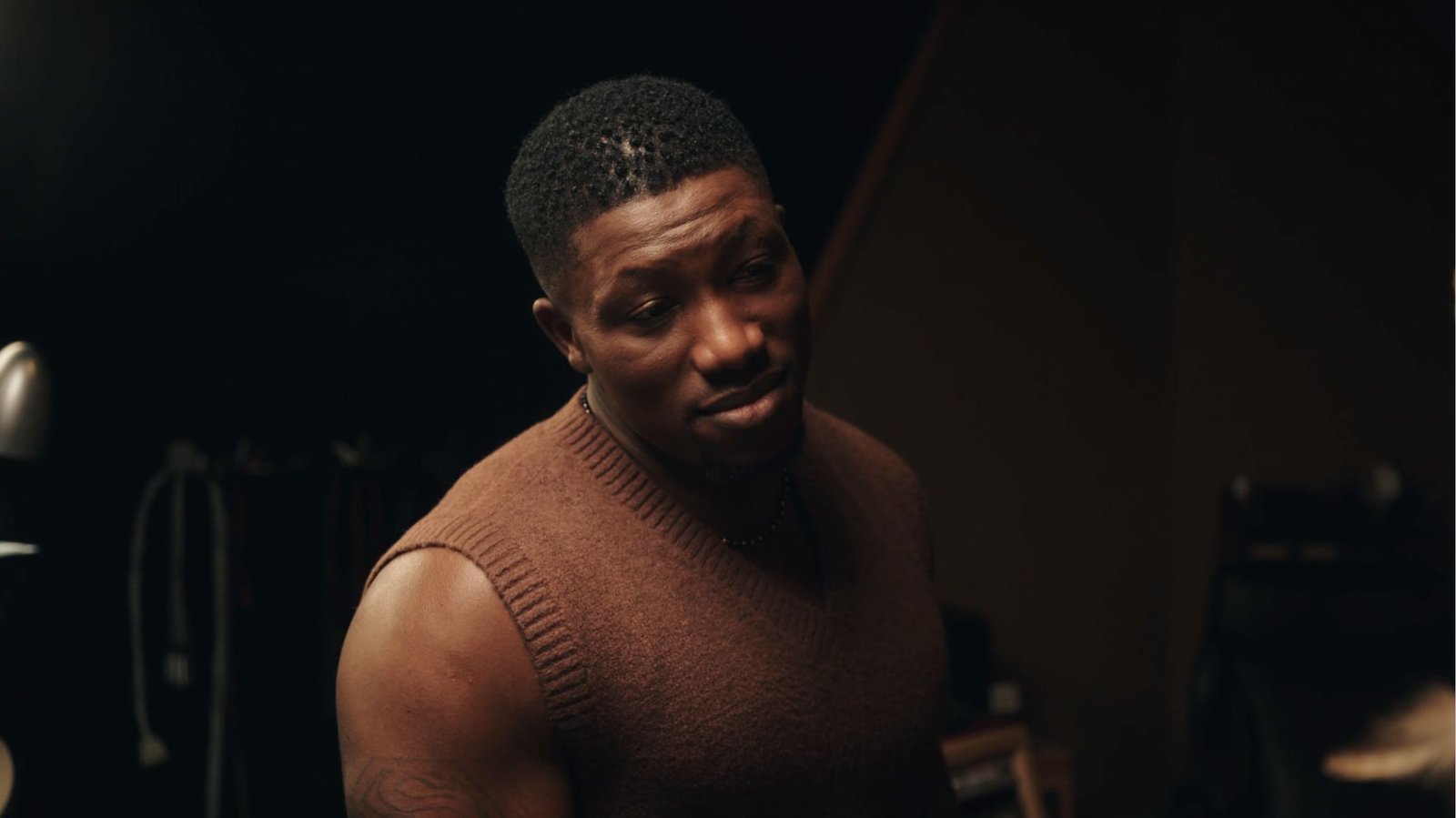
Black love can be complex without being catastrophic. Love Song is a very nuanced love story that is highly relatable yet not typically what we see on TV. It ruffles feathers a bit because it establishes taboo as the norm. It’s not often we get to follow men along strictly emotional journeys. Mathieu, played by Mohamed Williams, is comfortably masculine but also clearly vulnerable in a refreshing way. Mohamed Williams is very versatile in that sense.
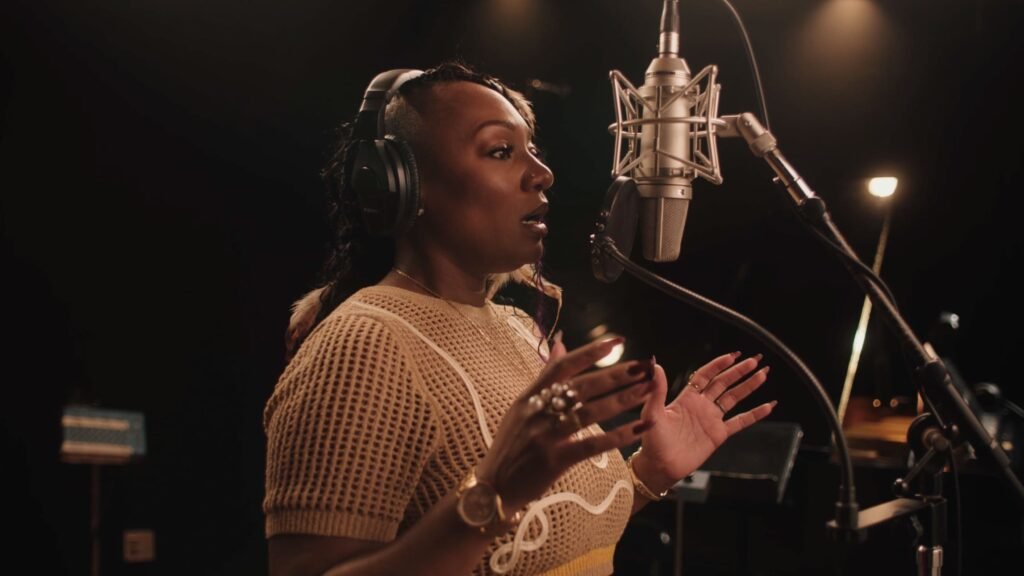
Your own journey from family medicine physician and Army Major to filmmaker is incredibly unique. How have those experiences shaped the way you tell stories and direct actors?
I’ve met so many people throughout my endeavors all over the world, and because I am trained to observe, analyze, and extract information very quickly, I’m often able to make a lot out of a little. There’s a story within almost everything, and when you really get to the core, you find that every person’s story is worthy. This helps me direct my actors, and it also helps me come up with new stories. I’m used to high stakes and cut throat environments, and while film can sets can also be the same, for me it feels like a breath of fresh air compared to medicine or the military. I’ve learned to savor the thrill of conjuring completely new worlds.
The chemistry between Mohamed Williams and Okema T. Moore feels deeply authentic and layered. What was the casting and collaboration process like with your lead actors?
They’ll tell you we worked a lot on this because the entire story hinges on people believing the intensity and significance of their love. I’m grateful that both leads approached me when they heard word of the project. For them it was a clear opportunity to break out and show a different side of themselves. Off the camera we’re all like rambunctious siblings, so I had to take some different approaches to help them sink into the reality of the roles. We actually all met at the American Black Film Festival the year prior to working together, and our creative bond has tremendously deepened since.
Visually, Love Song has a dreamy yet intimate atmosphere. How did you collaborate with cinematographer Samson Binutu to create the film’s aesthetic and emotional tone?
Samson Binutu has impeccable style and intuition. Aesthetically speaking, I’m grateful we were on the same wavelength. This really fostered a smooth creative process. It’s nice when two artists can speak the same unspoken language. I think we also flowed well because we both understand attention to detail, colors, mood, and perspective very well. I’m very happy we finally were able to collaborate with each other.
The story touches on themes of sacrifice, unfinished love stories, and self-abandonment. Was there a particular scene or moment in the film that felt especially personal for you while directing?
Directing Okema T. Moore as Belinda in her final bathroom scene really hit home for me. She was just so captivating. It was such a divinely feminine moment and I know many women will watch the film and say “I’ve been there. I know exactly what she is feeling.” That scene is going to be a really special moment for everybody.
As a filmmaker whose work often intersects with wellness, identity, and social justice, how do you balance creating socially resonant stories while still keeping them emotionally entertaining and accessible?
I have fun! Having fun off and off the screen, living life in a way that is enriching on multiple levels, staying rooted in empathy – these are all things that help me thrive as an artist. Wellness, identity, and social justice are all natural tenants of art, life, and thereby film. I believe that being in tune with those things actually helps create better stories. The other secret is being yourself and embracing your own humanism.
Love Song has already been selected for the American Black Film Festival. What do you hope audiences take away from the experience of watching the film, and what’s next for you after this project?
I hope they can find the strength to reconcile and come to terms with whatever truth is yearning to come forward within themselves. I hope Love Song can be a step towards helping them heal whatever emotional conflict they may be going through. I hope Love Song helps audiences intentionally choose love, in whichever way they see fit. In terms of what’s next, I think Love Song will leave viewers wanting more in a way that demands a stage on television. In the meantime, please stay tuned as the project reaches a festival near you. Regardless, for me, I believe a premium series or feature is next.