


Filmed inside an active war zone over the course of nearly a decade, Seeds From Kivu confronts the devastating human cost of conflict driven by global demand for natural resources—while refusing to strip its subjects of dignity, complexity, or hope. The film has been screened at the United Nations Headquarters, the Vatican, and the European Parliament, and has even been used as testimonial material in discussions around international war crimes tribunals.
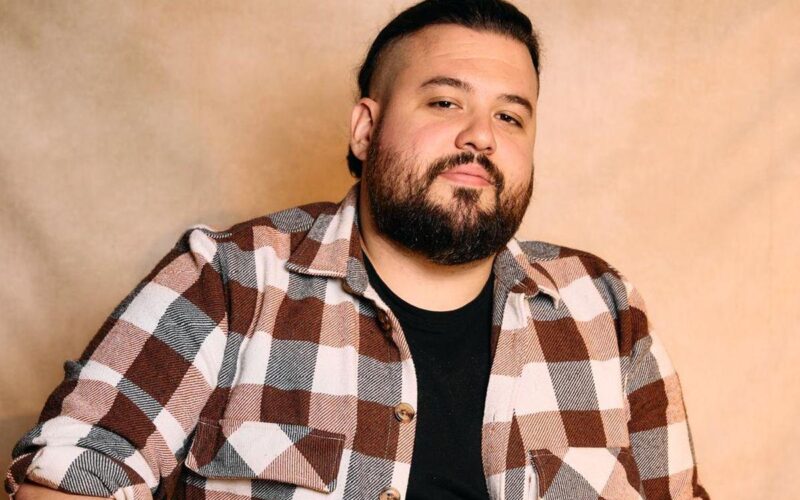
In this interview with Indie Wrap, director Néstor López reflects on the ethical weight of filming trauma, the role of cinematic poetry in confronting violence, the personal toll of working in conflict zones, and why Seeds From Kivu ultimately became a story not only about horror—but about resistance, resilience, and humanity’s capacity to rebuild.
Seeds From Kivu took nine years to complete, beginning in 2017. What was the moment or encounter that made you realize this story wasn’t just a project—but a commitment you were willing to carry for nearly a decade?
I never knew it would take almost a decade. Wanting to do it properly and to be fair to the region is what led me to spend so many years on it. Just any story or any decision wasn’t enough for me—it had to be a decision that was good for everyone involved. In the end, I became so deeply connected to the region that I ended up developing several projects there. In 2026, the feature-length film is coming.
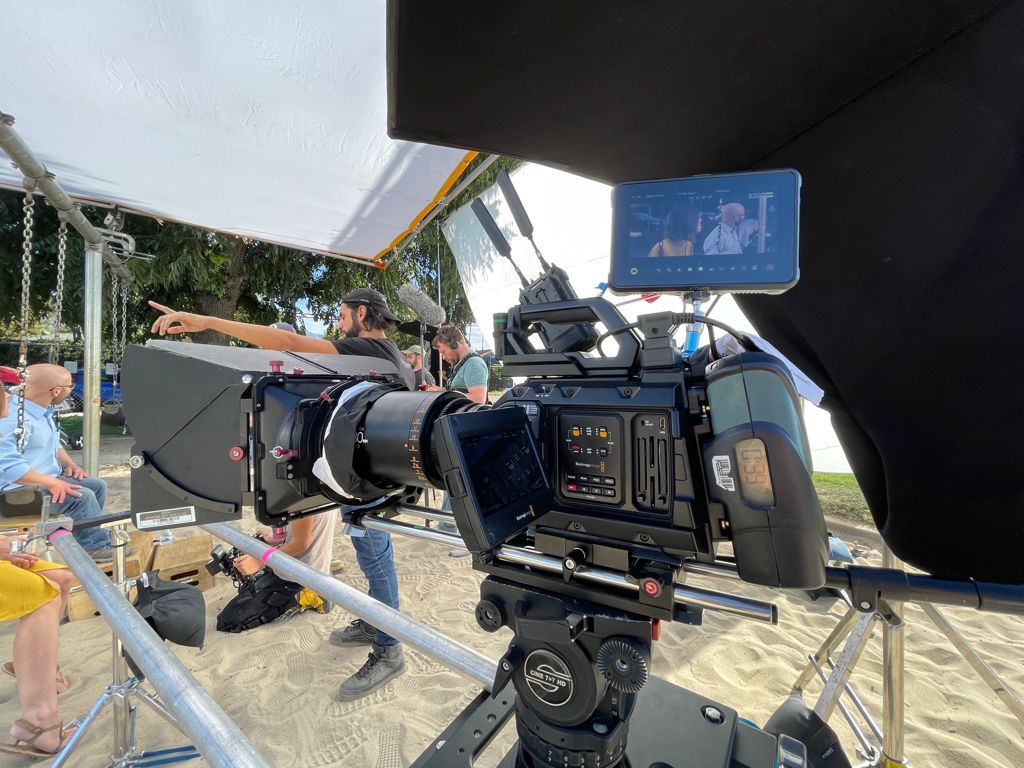
The film was shot inside an active war zone controlled by the M23 rebel group. As a specialist in conflict-zone filmmaking, how do you prepare—emotionally, ethically, and logistically—to film in a place where danger is part of the daily landscape?
Logistically, it’s about work, patience, and strong contacts. You need good fixers and trusted local contacts; building that network takes a long time, but it’s essential. Then you have to earn their trust.
Ethically, it’s very complex—it requires a great deal of information and research. Knowledge allows you to understand how to approach situations, and experience helps you do it better each time. Emotionally, that’s the hardest part. You have to learn to dissociate from reality. My best weapon is work: I focus on the task and the objectives, and that allows me to keep filming and moving forward. When the work ends, that’s when the emotional impact hits hardest, and the only way through that is time.
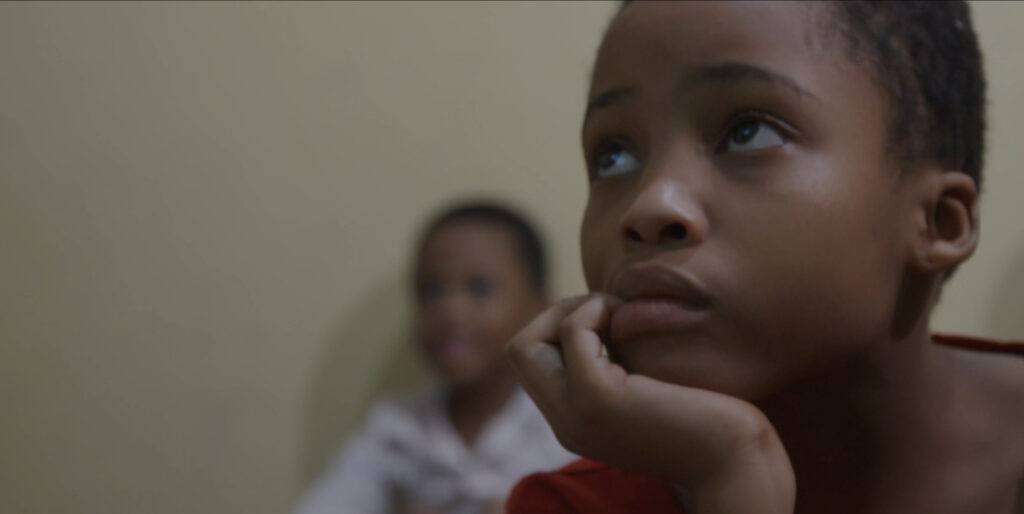
You were granted unprecedented access to Panzi Hospital and Dr. Denis Mukwege, a Nobel Peace Prize laureate. How did you earn the trust of both the medical team and the survivors, and how did that trust shape the way you approached the camera?
Trust is built through respect and time. The respect I already carried with me—I feel deep respect for people who work on such a delicate emotional and human line. Then, living alongside them over time allowed me to show that we were truly in the same boat and working for humanity. That, in turn, allows the camera to earn trust as well and to enter territories that would otherwise be very difficult to reach.
The women in your documentary speak with heartbreaking clarity about trauma, motherhood, and survival. How did you navigate creating a safe space for testimonies that are both incredibly intimate and deeply painful?
By living together. Coexistence allows the other person to understand and recognize your true intentions. Creating a safe environment cannot be forced; it has to be natural and born out of care and love. When that is genuine, the other person senses it and knows it. From there, what emerges is something beautiful. Physical presence and having a trusted intermediary are also essential—they have to be in the same boat as well.
One of the film’s core dilemmas—the question of whether to accept a child conceived through rape—is almost impossible to imagine. How did you approach this ethically as a storyteller, ensuring dignity while confronting an uncomfortable truth?
I took refuge in cinema itself. I believe cinema is the art form where love is visible but not explicit, and that allows for multiple readings of the same story. I used cinematic poetry—the contemplation of a beautiful place and a resilient humanity—as an ethical refuge when
dealing with extremely difficult facts. Cinema becomes a shelter from which we can speak about anything through beauty. Poetry as a response to violence.
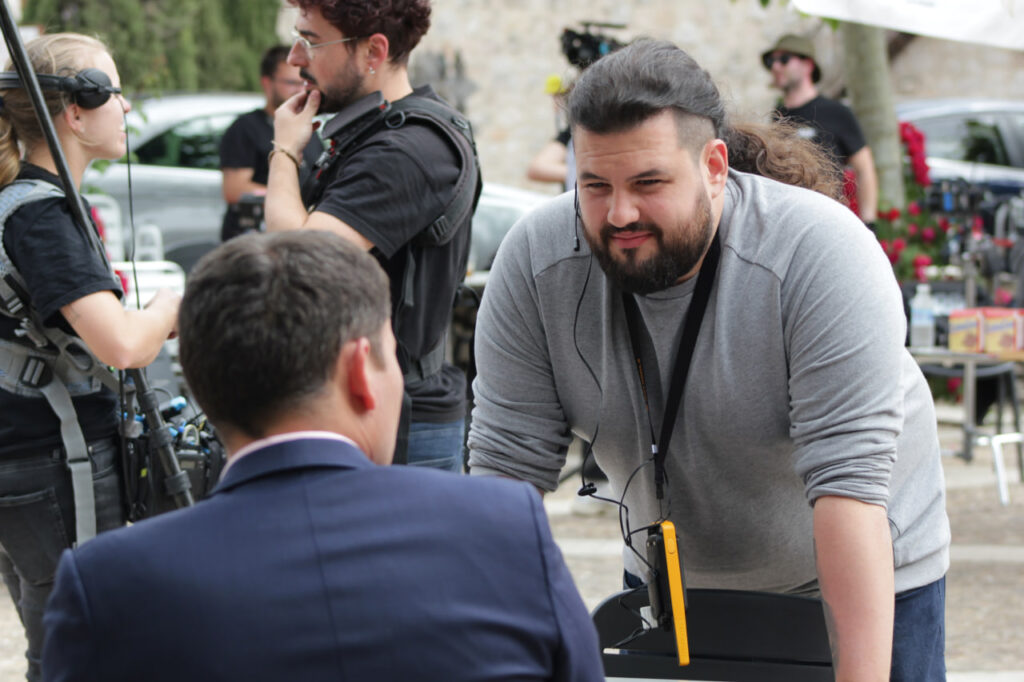
Seeds From Kivu has been screened at the United Nations Headquarters, the Vatican, and the European Parliament—an achievement no other European film has matched. How did these institutions respond, and what conversations were sparked behind closed doors?
The response has been very strong. This film is wanted in many places and it opens many doors, something that as a director you can only be grateful for. As for the conversations, I have the feeling that many of them remain confined to those specific events and don’t extend much further. I think more conversations should be generated, or at least deeper ones, in all relevant spaces—although I understand this is just one of many global problems. Even so, these spaces are difficult to access, and simply opening the door is already a step forward.
The film has already been used as testimonial evidence for the possible creation of an International Tribunal to judge war crimes in the region. What does it mean to you that your work is not only a film, but potentially a tool for justice?
It was always a wish, but one I never truly believed could happen. Now I’m starting to believe it more—that this work might transcend cinema. To transcend time is the desire of every artist. It’s a dream, but honestly I don’t think about it too much. I focus instead on how I can continue to be useful with the next decision I make.
Your cinematographer, Pablo D. Solas, captured both the beauty of Kivu and the brutality within it. How did you collaborate visually to portray a region that is stunning in landscape yet devastated by violence?
I already knew the region—I’ve been there several times and I’ve also studied it from afar. Kivu is a paradise that human beings have been determined to destroy, and yet it continues to exist and resist. That’s what we needed to convey through the cinematography: a humanity and a nature that persist despite violence. Poetry is the format that best captures this rawness without abandoning beauty.
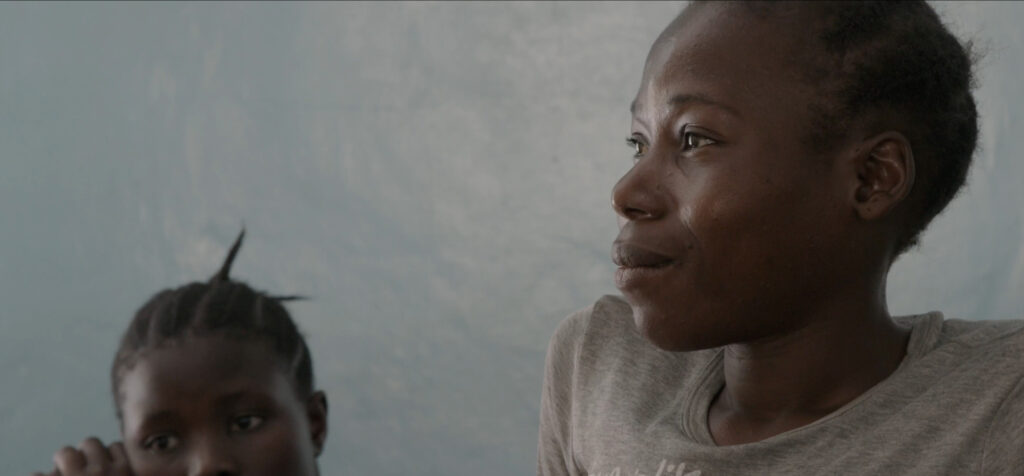
One of the most impactful threads in the film is how global technology—phones, computers, even electric cars—is directly tied to the mineral-driven violence in Kivu. When did you realize this connection had to be central to the film’s message?
I realized it from the very beginning. In fact, initially the film was more focused on the conflict around resources and minerals. Over time, it shifted toward the real struggle—the survival of the women of Kivu. But we cannot forget the causes: the market, the weight of capitalism at its most unchecked. That’s why I conceived the film as a thread you keep pulling until you reach the core of the issue. The film doses information gradually, but it always moves toward the real problem.
The reception of Seeds From Kivu has been extraordinary, culminating in a Goya Award for Best Documentary Short Film. What does this recognition represent for you personally, but also for the women whose stories you carried?
For me, it represents recognition from my own industry—a Goya Award as a director that allows me to keep working and moving forward in my career. For the women, it represents a loudspeaker reaching millions of people, allowing millions around the world to look toward Kivu and understand the reality there. That’s the beauty of major awards: their power to make people look where it truly matters.
You’ve said that witnessing the resilience of the women changed the course of the documentary. In what way did their strength transform your own perspective as a filmmaker—and perhaps as a human being?
As a filmmaker, it was a huge shock. I went there looking for a story about minerals and a doctor, and instead I found 550 hospitalized women—all with children conceived through rape. That image changed me forever. How was that possible? How do you go on living? That question contained both the worst and the best of humanity at the same time, and
for a filmmaker it is an opportunity to delve into fundamental human questions. That’s when I realized the film had naturally changed course. As a human being, I understood that extreme evil only awakens extreme goodness. Wherever there is destruction, there is always someone determined to make things live again. It’s harsh, but it’s real.
Humanity has failed, it’s a disaster—but we also carry within us everything needed to restore it.
You will return to Kivu in 2026 to expand this project into a feature-length documentary. What aspects of the story—cultural, political, emotional—do you feel still need to be explored, and where do you hope the conversation will go next?
In the feature-length version of Seeds From Kivu, we move closer to the political thriller. The film becomes a search for justice and a denunciation in courts of law, but also an exploration of the other side of the story—going deeper into the conflict, not only hearing the official version but also the perspectives of all those involved, while the local population continues to resist.