

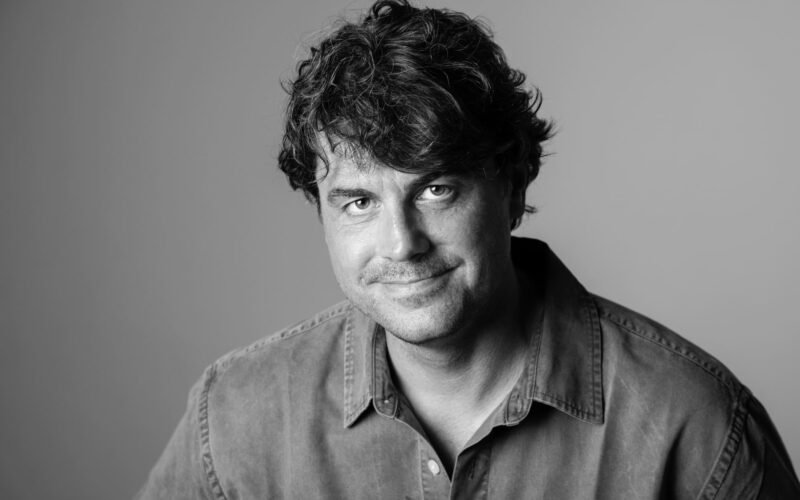
Selected for the 2026 HollyShorts Film Festival, Creators also marks an important step for Sysuev as a filmmaker. In conversation with IndieWrap, he discusses building sympathy for a deeply flawed protagonist, finding humor in unsettling situations, developing the film alongside his actors, and why the desire to be seen extends far beyond social media.
Creators begins with an outrageous premise—a man manufacturing a heroic moment for attention—but gradually becomes something much more uncomfortable. What interested you in using that premise to explore the psychology of someone who has begun measuring his worth through other people’s attention?
I think the idea originally started as an exploration of altruism—when we do something heroic, how much of it is genuinely selfless and how much is tied to our own need for recognition? But then I became more interested in what happens after the heroic act, when you actually have to deal with the consequences. And who could be less equipped for that than someone who experiences life from behind a camera? Suddenly he has a real person in front of him, with a real problem, and no idea what to do.
Kieran crosses a moral line before the film has really begun, yet the story still asks us to stay with him as everything unravels. How important was it to make him understandable, or even occasionally sympathetic, without excusing what he has done?
That was probably the most challenging part of building the character. I wanted Kieran to feel relatable—a young person who’s a little lost, chasing other people’s success and not quite sure what his own path is. His moral compass is ambiguous not because he’s evil, but because he hasn’t really examined it. I didn’t want there to be a clear moment where he decides, “Now I’m going to do something wrong.” I think we often drift into morally questionable situations one small decision at a time, and only realize how far we’ve gone when it’s too late.
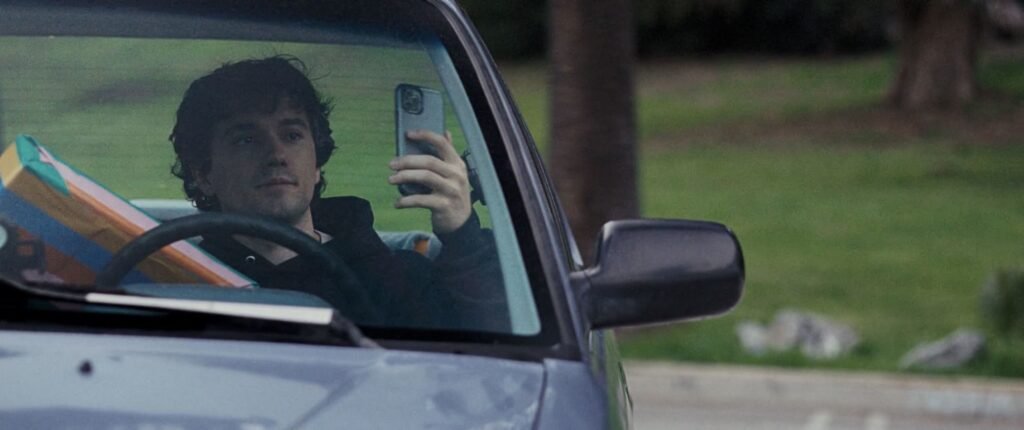
The film sits somewhere between comedy and thriller, with absurdity often existing alongside genuine danger. How did you decide when a situation should be funny and when the consequences needed to feel completely real?
I never really thought about making a clear distinction between the two. The way I see life, tragedy, irony and humor are constantly intertwined, sometimes within the same moment. I wanted the audience to experience the film that way too—to never be entirely sure whether what they’re watching is funny, disturbing or both. I didn’t want to give them too many cues about when to laugh or when to be concerned. That ambiguity is probably just how I tend to look at the world.
You’ve described the camera as an “unwilling observer” within the world of the film. How did that idea translate practically into your collaboration with cinematographer Adam Leene, particularly in terms of framing, movement, and when the camera chooses to keep its distance?
LA is such an interesting place because you can be having the most beautiful day—the weather is perfect, the views are picturesque—and then something unsettling catches your eye in your peripheral vision. You almost don’t want to look closer, but you can’t help it, and suddenly that distant image becomes a close-up. That was the genesis of how I wanted the audience to experience the film. It led us toward very wide shots and extreme close-ups, and to thinking of the camera as an unwilling observer. Sometimes it hesitates, sometimes it follows reluctantly, and sometimes it simply can’t help but look.
Kieran initially believes he is controlling the story he is creating, only to find himself trapped inside a situation he can no longer direct. Was that reversal—going from creator to subject—always central to the film’s structure?
Honestly, no—that ending came much later. I’m always drawn to endings that have some irony baked into them; I find those are often the ones that connect with me most emotionally. Once I figured out that we were following a content creator, though, the idea of him losing control of the story and becoming the subject himself came pretty quickly. It felt like the natural ironic conclusion to his journey.
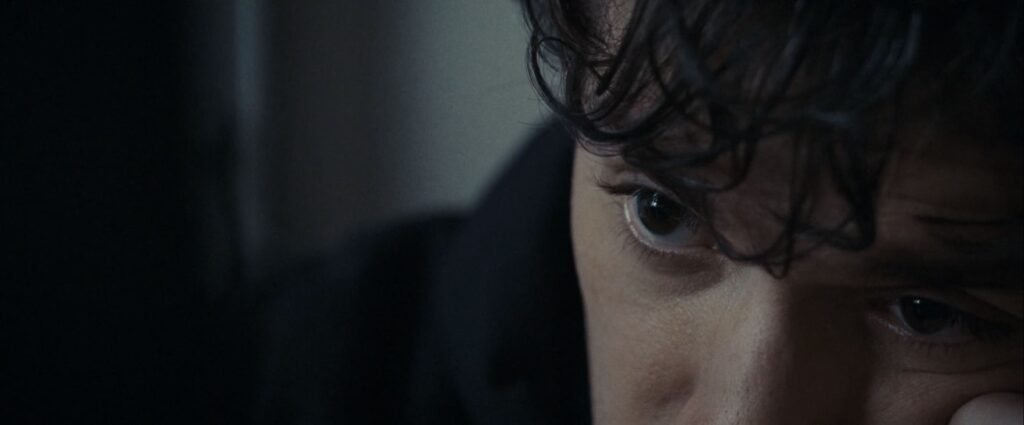
Creators is relatively restrained in its dialogue, allowing behavior, awkward silences, and visual details to carry much of the storytelling. What attracts you to that kind of filmmaking, and what does it allow you to communicate that dialogue sometimes cannot?
That was a very conscious choice. I wanted to convey that these characters are actually quite bad at communicating with each other. They’re comfortable invading someone else’s space when they have the safety blanket of a camera, but once they’re physically close to another person in a real situation, they have no idea how to connect. I think there’s something quite universal about that at the moment. I’m not sure we succeeded completely in communicating it, but that was certainly the intention.
Because the project developed partly through your acting class, the actors were involved unusually early in discovering the characters. Can you point to a moment, improvisation, or performance choice from Matthew Garry or Joshuah Arizmendi that significantly changed how you understood the film?
Matthew had actually dabbled in content creation a few years earlier, and he showed me some of his old videos. They were full of dry humor and these wonderfully awkward, uncomfortable silences, and when I saw them I knew we were on the right track with the character. He brought so much texture to what had initially been a more general idea. Joshuah, meanwhile, is amazing at very subtle, subdued comedy. Some of the funniest reactions and interactions between them came directly from him, and he was constantly giving us different options.
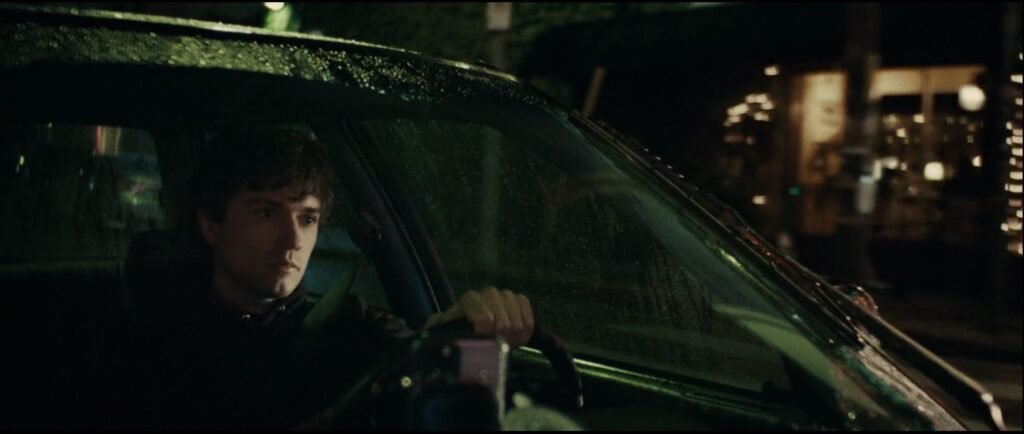
Social media changes incredibly quickly, which can make films about internet culture feel dated almost immediately. Did you consciously try to make Creators less about a particular platform or trend and more about the deeper human desire for recognition?
Absolutely. I tried to focus on things that feel universal to the social media experience rather than any particular platform or trend. The insecurities and flaws it can amplify are much more permanent. That desire to be noticed, validated or admired has always existed; social media just gives it a new mechanism and, sometimes, pushes it to dangerous extremes. I don’t think that part is going away anytime soon.
Creators has been selected for the 2026 HollyShorts Film Festival. What does having the film presented in that environment mean to you, particularly after carrying the original idea with you for several years?
It feels great to be part of such an established festival, with a long history of giving a platform to some incredible filmmakers. After carrying the idea for so long, having the film selected definitely feels validating. But more than anything, I’m happy for everyone who worked on it. It gives us an opportunity to come together and celebrate all the work that everyone put into making the film.
You’ve mentioned that you’re now developing a grounded science-fiction feature about an ordinary person confronting a much larger system. After making Creators, what aspects of your voice as a filmmaker do you now know you want to carry into that first feature?
I’m really proud of the performances, the pacing, and particularly how we managed to translate some very dry comedic moments from the page to the screen. With the feature, though, I don’t want to consciously replicate any of that. I’ll start with the character’s emotional journey, focus on what that particular story needs, and trust that my tastes and sensibilities will find their way into it.