




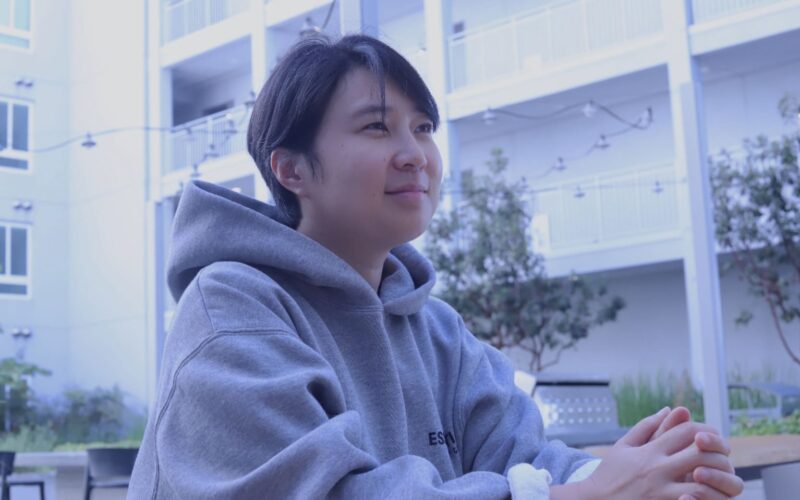
As a full-time freelance sound mixer and sound editor based in Los Angeles, Wooin brings both technical precision and artistic intuition to every project she takes on.
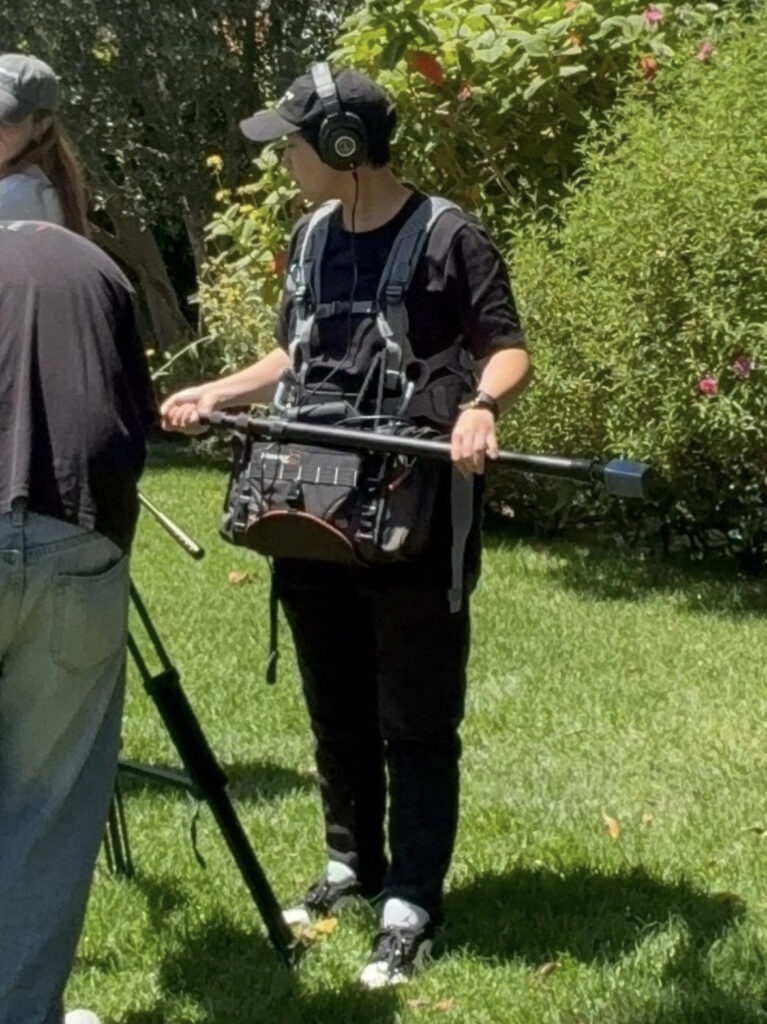
Los Angeles-based sound editor and designer Wooin is having a strong year. Her work has been featured in a range of short films, documentaries, independent features, and commercials — several of which have been selected by respected festivals, including the Los Angeles Latino International Film Festival and the Pan African Film & Arts Festival. She also worked on Hope’s Hollywood Christmas as a recording engineer, which is expected to screen at the Cannes Film Festival in 2025. Known for her emotionally precise soundscapes and attention to detail, Wooin is quickly building a name for herself in both post-production and on set.
One of the projects she holds especially close is Muljil, a Korean documentary about the traditional female diver of Jeju Island, known as haenyeo. The film was broadcast on television, shown in theaters, and selected for multiple festivals in Korea and internationally, including the Human Documentary Film Festival and the Seoul Senior Film Festival. It was streaming on eoFlix as part of the World Culture Film Festival’s virtual lineup. “Knowing that a story so deeply rooted in Korean culture reached international audiences made me incredibly proud,” she says.
Wooin’s approach to sound is rooted in empathy and restraint. “One project helped me understand how silence can carry emotion,” she says. “Another challenged me to create a detailed soundscape that still felt invisible.” For Wooin, each project becomes an exploration — not just of audio, but of feeling.
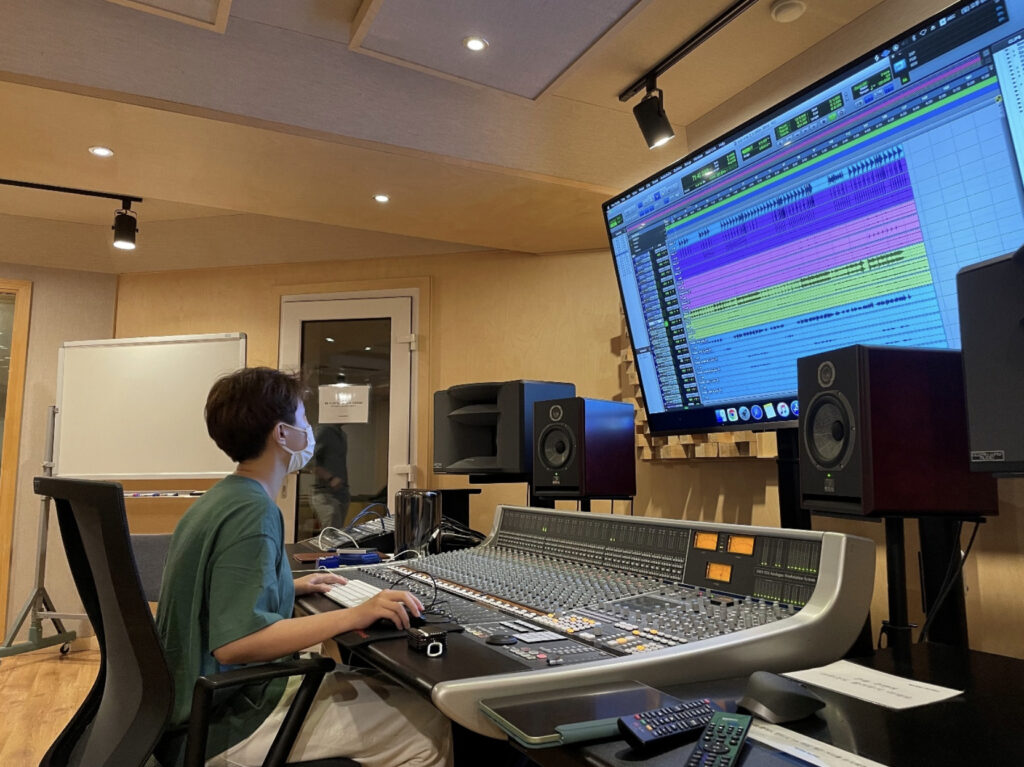
Another meaningful project was The Art of Pretending Everything Is Fine, a subtly comedic, satirical short film selected for three festivals this year. “The story had a bittersweet and subtly funny tone — the kind that makes you smile and wince at the same time,” she says. “It was fun to work on, and I think the sound supported that balance without being too obvious.”
Among her recent highlights is The Land, a community-rooted project that screened at several prominent Latino festivals. Director Andrés Orellana described her work as follows: “Wooin brought an extraordinary level of precision, creativity, and professionalism to the project. She meticulously edited dialogue, removed problematic background noise, and crafted nuanced soundscapes that elevated the emotional tone of key scenes. Her ability to interpret the story through sound design was especially impressive. She intuitively understood what the film needed without overcomplicating it.
Thanks in large part to Wooin’s contributions, our film achieved a much more polished and immersive final cut. It was ultimately selected to screen at the largest Latino film festivals in the country, and I have no doubt that the quality of the sound played a role in that success. Beyond her technical skills, Wooin is a thoughtful collaborator and a calm, positive presence on any team.”
Most recently, Wooin completed sound editing work on her first feature film, By the Grape of God. She handled all aspects of post sound on her own — dialogue editing, SFX, background, music placement, re-recording mixing, and updates as the picture evolved. “It took a lot of time and attention, especially in monitoring the full film repeatedly,” she says. “I had just started feeling confident working on 15–30 minute shorts, and suddenly I was facing a full-length feature.”
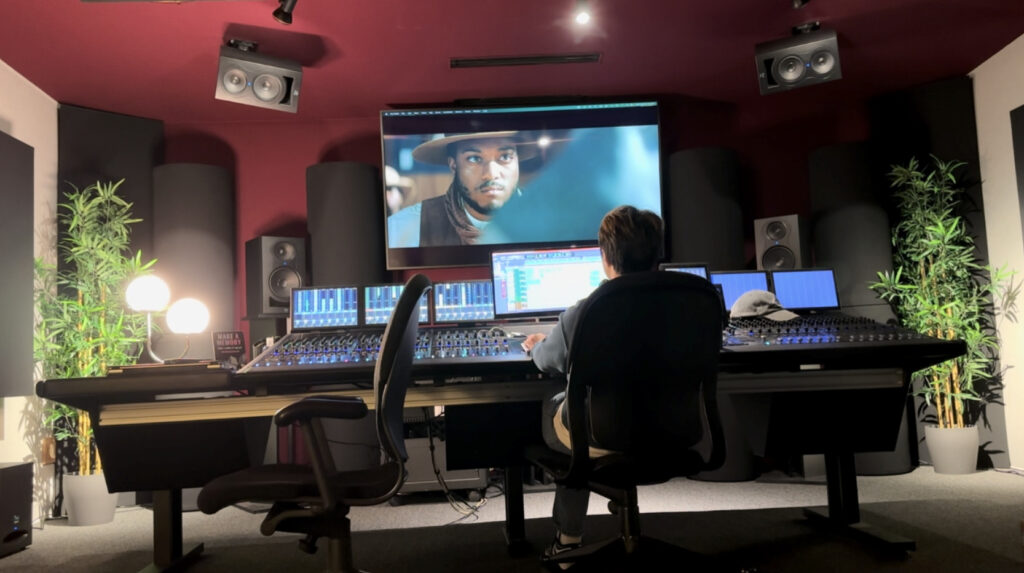
What helped her through was the support of the film’s producers. “Sean and Marisa kept telling me the sound was strong and never rushed me. Their trust really carried me through to the end,” she says. The experience left her exhausted but proud: “There wasn’t a single frame I hadn’t touched, and I walked away with so many lessons I couldn’t have learned any other way.” She adds, “It also helped me understand why so many names appear in film credits — there’s an enormous amount of detailed work behind every minute of storytelling.” It was then that she made a quiet promise to herself: next time, she wouldn’t do it alone. She’d build a team — ideally with close collaborators — and take on the next feature together.
Her process has since become more intuitive and confident. She begins with careful track organization and dialogue cleanup, then builds the scene’s energy step by step. “Over time, I’ve learned how to follow my instincts,” she says. “I used to spend forever just cleaning dialogue or looking for the right sound. Now I understand rhythm better, and I know when to pull back and let a scene breathe.”
Looking ahead, Wooin is eager to take on more ambitious projects — and more recognition. “Festival selections are wonderful,” she says, “but someday I’d love to see my work actually nominated — maybe even in a Best Sound Design category.” She adds, “I want to keep improving, take on bigger projects, and eventually be part of a team where we all bring out the best in each other.”
Above all, she’s driven by growth — both her own and that of those around her. “When someone I’ve worked with comes back to me for another project, or introduces me to someone, that really makes me happy.”From thoughtful silence to powerful sonic moments, Wooin is showing that sound design isn’t just heard — it’s felt.