




Once confined to niche markets and limited theatrical releases, indie films now have the potential to reach global audiences with unprecedented ease. As we look to the future, it’s clear that the streaming era is reshaping the way indie films are produced, distributed, and consumed.
A Broader Reach for Indie Films
One of the most significant advantages of streaming platforms is their ability to democratize access to content. Indie filmmakers, who often struggle to secure traditional distribution deals, can now showcase their work to a worldwide audience. Platforms like Netflix, Amazon Prime, Hulu, and newer entrants like Apple TV+ and Disney+, are increasingly investing in indie content, recognizing the value of diverse and unique storytelling.
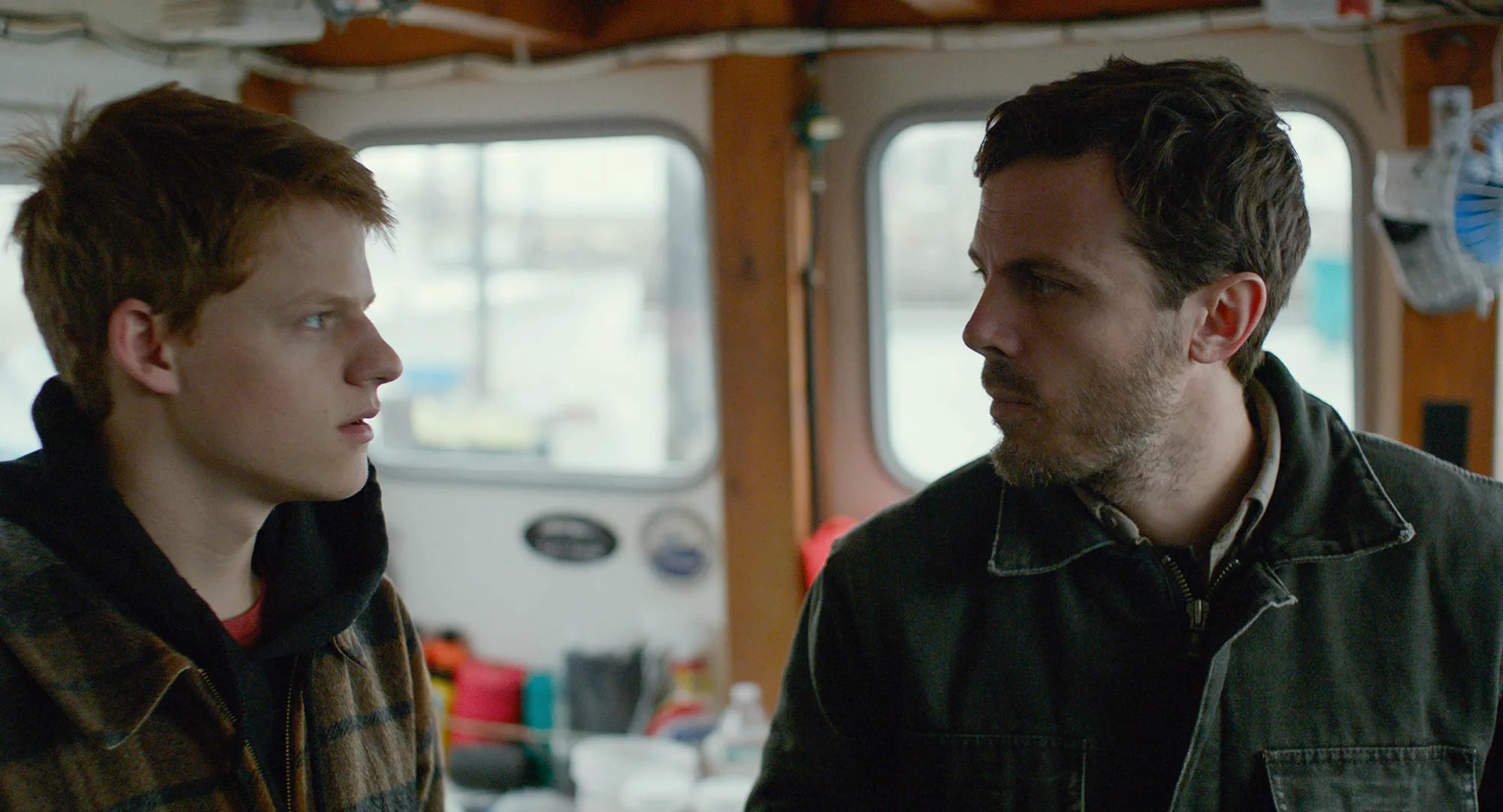
For example, Netflix’s acquisition of critically acclaimed indie films such as “Roma” and “The Irishman” has highlighted the platform’s commitment to supporting independent cinema. Similarly, Amazon Studios has become a key player in the indie film market, with successes like “Manchester by the Sea” and “The Big Sick” demonstrating the potential for indie films to achieve both critical and commercial success through streaming.
The Financial Landscape
While streaming offers a broader reach, the financial dynamics can be complex. Traditional box office revenue is straightforward: ticket sales translate directly into earnings. However, streaming platforms often operate on a subscription model, which can make it challenging to determine the financial success of a particular film. Deals with platforms can vary widely, from flat-rate purchases to revenue-sharing agreements, and navigating these negotiations requires a strategic approach.
For indie filmmakers, the financial model of streaming can be a double-edged sword. On one hand, upfront payments from platforms can provide crucial funding. On the other, the long-term revenue potential might be limited compared to traditional box office and home video sales. Additionally, the sheer volume of content on streaming services means that indie films must compete for visibility in a crowded marketplace.
The Role of Film Festivals
Film festivals continue to play a vital role in the indie film ecosystem, even in the streaming era. Festivals such as Sundance, Tribeca, and Cannes are important platforms for indie films to gain exposure, attract critical acclaim, and secure distribution deals. Many streaming platforms actively scout these festivals to acquire new content, offering filmmakers a pathway from festival screenings to global streaming distribution.
Moreover, some festivals have adapted to the streaming age by offering virtual screenings, which can extend the reach of indie films beyond physical attendees. This hybrid model has the potential to bring festival films to a wider audience and create additional buzz around indie projects.
Challenges and Considerations
Despite the opportunities, indie filmmakers face several challenges in the streaming era. The oversaturation of content means that standing out requires not just quality storytelling, but also effective marketing and audience engagement strategies. Filmmakers must leverage social media, digital marketing, and partnerships to build awareness and drive viewership.
Furthermore, the data-driven nature of streaming platforms can influence the types of projects that get greenlit. Algorithms favor content that aligns with viewer preferences, which can sometimes push indie filmmakers to conform to popular trends rather than pursuing more experimental or niche projects. Balancing artistic vision with marketability is an ongoing challenge.
The Future Outlook
Looking ahead, the future of indie film in the streaming era appears promising yet complex. Technological advancements, such as virtual reality and augmented reality, could open new frontiers for indie storytelling. Additionally, the rise of niche streaming services focused on specific genres or communities may provide targeted distribution opportunities for indie films.
As the industry continues to evolve, indie filmmakers will need to remain adaptable and innovative. Building direct relationships with audiences through crowdfunding, social media, and self-distribution platforms like Vimeo On Demand can provide alternative revenue streams and greater creative control.
Ultimately, the streaming era has the potential to transform indie film from a niche market into a global phenomenon. By embracing the opportunities and navigating the challenges, indie filmmakers can continue to thrive and bring fresh, diverse voices to the forefront of the cinematic landscape. The key will be to leverage the power of streaming while preserving the unique spirit that defines indie cinema.