




The films that emerged during this time had a DIY spirit, embracing the limitations of low budgets and turning them into strengths. The result was a unique era of horror where atmosphere, storytelling, and practical effects took center stage over flashy visuals and polished Hollywood production.
No exploration of 90s indie horror is complete without mentioning The Blair Witch Project. Released in 1999, this film was a true game-changer, not just for indie horror, but for the horror genre as a whole. With a minuscule budget of $60,000, directors Daniel Myrick and Eduardo Sánchez delivered a story that was as much about the power of suggestion as it was about the supernatural. By using the then-novel found-footage format, the film felt disturbingly real, blurring the lines between fiction and reality. Audiences weren’t just watching characters unravel—they were there, in the woods, experiencing the fear alongside them. The marketing campaign that surrounded it was just as groundbreaking, tapping into the early days of the internet to create an aura of mystery. It was a testament to how the indie scene could compete with, and even outdo, the big studios by harnessing creativity and cultural curiosity.
A couple of years earlier, Cube arrived on the scene with a minimalist yet captivating premise. Directed by Vincenzo Natali, the film featured a group of strangers trapped in a deadly maze of interconnected rooms, each rigged with traps. With a single set and a budget that would make Hollywood scoff, Natali crafted a story dripping with tension, paranoia, and existential dread. It was a triumph of ingenuity over scale. The claustrophobic atmosphere, the cold geometry of the rooms, and the cryptic nature of the plot pulled audiences into a world where answers were never quite within reach. It was indie horror at its finest—tense, thought-provoking, and unnervingly sparse.
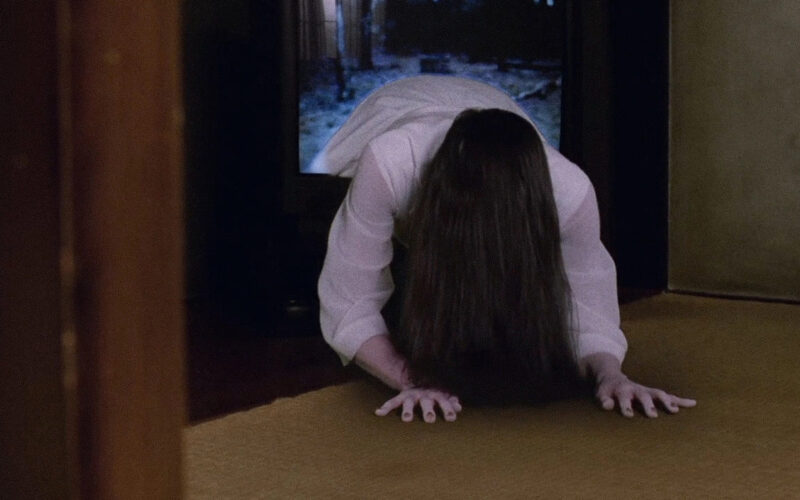
Even outside the American indie circuit, the influence of 90s indie horror was spreading. Hideo Nakata’s Ringu didn’t just take Japan by storm; it became a global phenomenon, blending psychological fear with supernatural elements. Although not technically an American indie film, Ringu captured the attention of Western audiences and indie filmmakers alike. Its low-budget approach focused on atmosphere, folklore, and psychological horror, which resonated with a global audience. It was a clear sign that you didn’t need buckets of blood or high-tech effects to make a story genuinely frightening. Sometimes, all it takes is an old VHS tape, a cursed urban legend, and an unsettling atmosphere that refuses to let go.
Larry Fessenden’s Habit was another standout of the 90s indie horror scene. Released in 1995, the film offered a different kind of horror—a quiet, brooding, and atmospheric take on the vampire mythos. Set against the gritty backdrop of New York City, Habit was more about the internal decay of its protagonist than any flashy supernatural threat. The handheld camera work, the naturalistic performances, and the slow unraveling of the story made it feel more like a psychological descent than a traditional vampire film. This was the kind of horror that stayed with you, lingering like the feeling of being watched in an empty room. It was dark, melancholic, and ultimately unforgettable.
These films, and others like them, helped define the era. 90s indie horror was about embracing limitations. Without the budget for elaborate sets or expensive CGI, filmmakers made do with what they had—everyday locations, abandoned buildings, dense woods, and grainy, gritty aesthetics. Practical effects were key, giving these films a raw, tactile quality that often made them more unsettling than their Hollywood counterparts. It wasn’t just about what you saw on the screen; it was about what you didn’t see—the implied, the suggested, the things that lived in the shadows of your imagination. Horror became less about spectacle and more about atmosphere, tension, and psychology. It was about finding fear in the mundane, turning the familiar into something deeply unfamiliar.
There was a shift towards psychological horror and a focus on atmosphere rather than shock value. Indie filmmakers weren’t afraid to experiment with narrative structure, embrace ambiguity, or leave audiences with more questions than answers. This was a time when the horror genre was being pushed and pulled in different directions, away from the formulaic expectations of Hollywood. The result was a collection of films that dared to be different, prioritizing mood, style, and subtlety over the jump-scare roller coasters that mainstream horror was increasingly becoming.
The legacy of 90s indie horror is everywhere in today’s films. Movies like The Witch and It Follows carry the DNA of this era, with their minimalist settings, slow-burn pacing, and focus on atmosphere. Found-footage remains a staple subgenre, often revisited by filmmakers who want to capture that same raw energy and immediacy that The Blair Witch Project brought to the screen. There’s also a renewed appreciation for psychological horror and subtle scares, a direct inheritance from the indie movement that showed audiences the power of suggestion over explicit horror.
90s indie horror was more than a trend; it was a movement, a creative explosion that challenged the status quo and left an indelible mark on the genre. It’s a reminder that some of the most innovative, chilling, and memorable horror comes from outside the Hollywood system. For those who crave the unpredictable and unconventional, the 90s remain a goldmine of inspiration. This Halloween, step away from the glossy Hollywood scares and dive into the gritty, atmospheric world of 90s indie horror. There’s a certain kind of magic there—a blend of nostalgia, raw creativity, and fearless experimentation—that still sends a shiver down the spine. If you’re looking for something different, something that doesn’t follow the rules, there’s no better place to start than with the indie films of the 90s.