

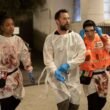



Darius Stevens is a producer, writer, and visual effects expert from Washington DC.

Stevens previously directed the film The Hollywouldn’ts. Other previous roles include specializing in visual effects in the movie The Wedding Ringer, starring Kevin Hart, and Self/less, starring Ryan Renolds.
Though Stevens does a great job at visual effects, he took on the role of director once again in the film The Way Home. The Way Home highlights a young business executive, Ricardo, played by Cayetano Arámburo, and how he manages to get through life after his grandfather, who raised him, passed away.
The film only took a total of nine days to film. So how did Stevens manage to shoot the entirety of the movie in such a short amount of time? “It was a lot of fun, but it was really tough because basically, we’d yell “Cut!” and everyone would run to the vehicles, and we’d be off to the next location, generally averaging eight company moves per day.” As a result, Stevens had to do everything possible to maintain an efficient crew tackling this project.
Within those nine days, the Stevens and the crew visited 74 different cities to shoot at. Throughout the entirety of filming, Stevens effectively grouped different people. He wanted this film to include different sceneries representing numerous places Ricardo and his late grandfather would often visit. These meaningful yet beautiful places allow Ricardo to reflect on the memories he will forever cherish while providing gorgeous scenery.
Considering the short time it took to shoot, it is hard to believe the content is any good. However, Stevens says, “The film turned out a lot better than I expected. A film at this budget level is never what you really want it to be because you are always dreaming of bigger shots and greater production value, and you know you don’t have those resources or that time. But in every scene, we gave it our all, and when I saw it come to life in the edit bay and just the insane beauty of many of the places we filmed, I was stunned because the film really was beautiful.” It is incredible that Stevens, along with the entire cast and crew, were able to pull this off and for the film to be better than expected.
Within nine days, mostly everything was precisely from the script. However, if Stevens came up with an idea he thought would benefit the film, he made a slight change as the filming continued.
Since numerous musical scenes included no dialogue, Stevens wanted that to be highlighted so the music could speak to the audience. He avoided exchange because he thought the strong visuals were more important.
Given the time frame of shooting, a few behind-the-scenes issues arose. On the first day of filming, one of the cameras got knocked over, causing the lens to shatter. Stevens had to act quickly in an orderly fashion, given the little amount of time to shoot. He was able to utilize one of the backup lenses brought. Stevens said, “I sent the camera operator to take a deep breath and assured him it wasn’t his fault. I took responsibility for the miscommunication, and then I shot out that scene using a mix of other lenses that I kept in a backup kit.” Stevens was able to remain calm and laugh it off with the cast.
After the nine-day shoot, everything was complete, and it was time for the film to come together. Though it took some time, Stevens was more than pleased with the outcome.
The film was released last year and is currently screening across the film festival circuit.
Learn more about Darius Stevens and find the trailer to The Way Home here.